

By A Special Correspondent
Zanzibar has lately been enjoying strong performance in its external sector. The current account surplus has widened, service exports – especially tourism – are on the rise, and imports have been more restrained.
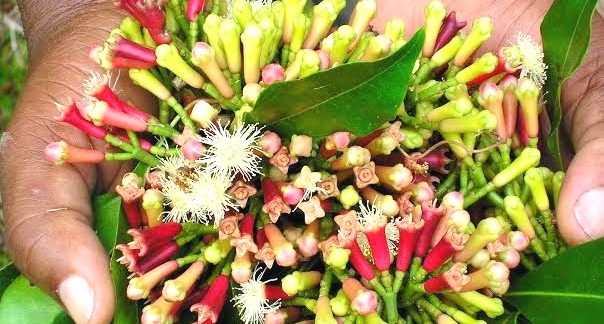
But beneath that promising macroeconomic veneer lies a worrying trend: clove exports, long a staple of Zanzibar’s foreign earnings, are shrinking. Historic data make the decline clear, underscoring the urgent need for Zanzibar to diversify its export base.
Clove Exports: Then and now some historical numbers:
In the 1970s, Zanzibar produced an average of 16,000 tonnes of cloves per year, arguably the height of its clove output.
By the 1980s, production had started to fall. By 1990, the number of clove trees and yields had dropped significantly. For example, export volumes dropped from 10,800 tonnes in 1973 to 3,510 tonnes by 1990.
In more recent years, values have also shown fluctuation and sometimes sharp declines. For instance, in the year ending September 2021, clove export value rose to US$ 40.6 million, up from US$17.6 million in the previous year, due to a combination of higher volumes and better global prices.
But by October 2022, clove exports had dropped to about US$ 41.6 million from US$ 46.2 million in the corresponding period of 2021.
Another example: in 2022, cloves’ export value was US$ 51.6 million, up slightly from US$ 50.4 million in 2021.
So, compared with its historical peaks in volume and earlier decades, clove exports are now much lower, both in terms of tonnage and value relative to Zanzibar’s external sector size.
External sector doing well – but cloves lag
While cloves are faltering, Zanzibar’s external sector more broadly is in relatively good health:
Exports of services – especially tourism – have been expanding, contributing large foreign exchange inflows.
The current account surplus has widened, helped by stronger export receipts and slowing import growth.
Manufactured goods exports are gaining traction, recently surpassing cloves as the top goods-exports earner in certain periods.
Thus, although Zanzibar’s external performance is largely positive, the decline in clove exports represents a vulnerability: overreliance on a single agricultural export that is highly subject to cycles of volume, tree aging, pest/disease risk, climate variability, and volatile world prices.
“Exports of goods and services grew by 25.7 percdent to US$ 1,300.1 million, from the amount recorded in the year ending August 2024,” the Bank pf Tanzania (BoT) notes in the September 2025 Monthly Economic Review (MER).
“This strong performance was largely driven by a 30.6% rise in service receipts to US$ 1,267.5 million, particularly from tourism. In contrast, the
value of clove exports declined, reflecting the crop’s cyclical production pattern,” adds the central bank.
Official figures show that crop exports totaled 800 tonnes in the year ending July 2025 – an 82.1 percent decline compared to the same period in 2024, when exports generated US$28.75 million, down sharply to just US$3.57 million this year.
Why the decline
Historical and recent data point to several reasons:
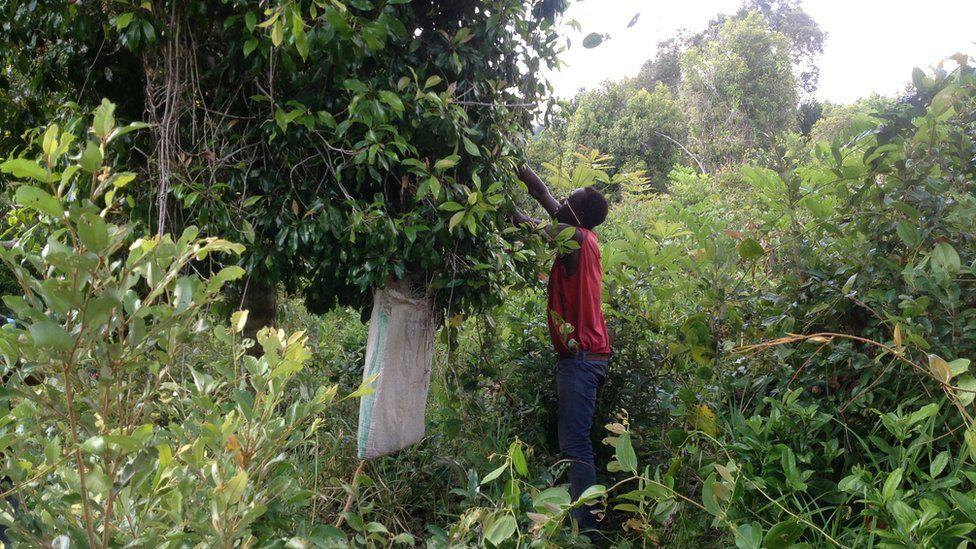
- Ageing trees and declining productivity: Without adequate replanting, older clove trees yield less.
- Cyclical nature of the crop: Clove production and prices tend to fluctuate sharply with seasons, weather, and world market supply.
- Price declines/volatility: World market prices have sometimes dropped or failed to keep pace, reducing earnings even when volumes are stable.
- Competition: Global producers, especially large-scale ones like Indonesia, have large market shares and production capacities. Zanzibar, with smaller scale and greater logistical/quality challenges, struggles in comparison.
Diversification: From option to imperative
Given the historical picture and the current trend, diversification of Zanzibar’s export base is no longer optional – it’s essential. Here are the paths Zanzibar could strengthen:
Non‑traditional agricultural exports
Expanding production of horticultural crops (vegetables, fruits), spices beyond cloves (e.g. pepper, cinnamon, cardamom), marine products, and fishery exports.
Value addition and processing
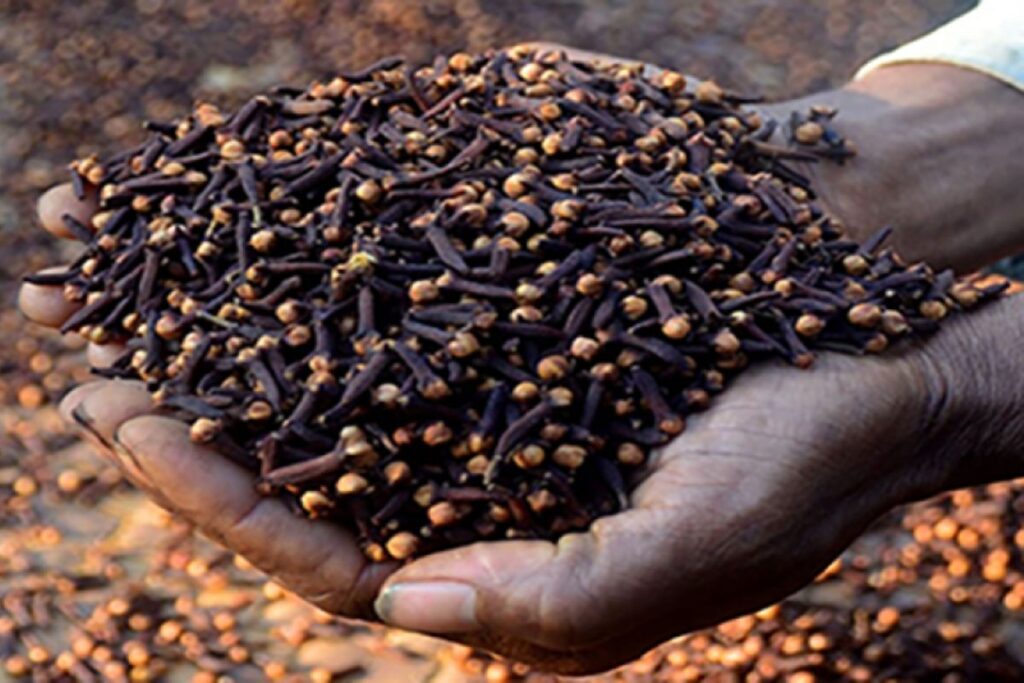
Rather than shipping raw cloves, investing in processing, grading, branding, possibly into clove oil, essential oils, health or cosmetic ingredients that fetch higher margins.
Manufacturing and goods
The recent surpassing of cloves by manufactured exports in some periods suggests that industrial policy, SME support, and incentives are yielding results. More could be done in textiles, processed food, handicrafts, etc.
Market diversification and quality upgrading
Better access to higher‐value markets (organic, fair trade, certified products), use of trade agreements, improved logistics and compliance with export standards.
Investment in the clove sector itself
Even as diversification proceeds, clove trees will remain an important cultural and economic crop. Replanting programs, extension services, pest control, and better farming practices can help stabilize outputs.
Implications and a vision forward
If Zanzibar succeeds in broadening its export portfolio, the risks associated with clove cycles (low yields, low prices) will have less disruptive effect on foreign earnings, jobs, and rural incomes.
Diversification can strengthen resilience: smoothing income flows, capturing higher value chains, and promoting more equitable economic growth across the islands.
Historically, Zanzibar’s external success was heavily tied to cloves. Now that the external sector is doing better overall, there is golden opportunity to re-balance: letting services and tourism continue to grow, lifting manufacturing and other exports, while supporting clove growers to modernise. Without this diversification, fluctuations in the clove market could threaten the stability of foreign exchange earnings and overall external balance. With it, Zanzibar can preserve its heritage while building a more stable and prosperous economic future.


