

By Business Insider Reporter
Tanzania is moving ahead with a landmark infrastructure project that will transform electricity supply to Zanzibar, as the government, through the Tanzania Electric Supply Company (Tanesco), begins implementing a new submarine power cable project designed to strengthen power reliability and expand access across Unguja and Pemba islands.
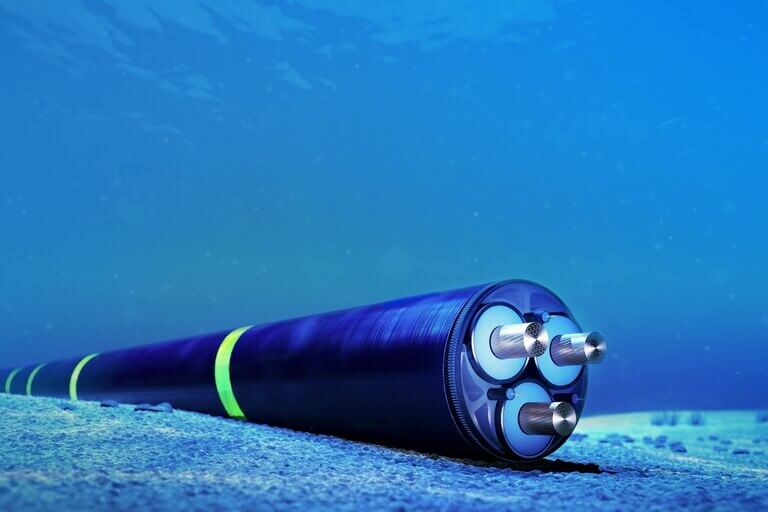
The project, financed by a US$ 282.57 million loan from the African Development Bank (AfDB), will link Zanzibar to the national grid through a 44-kilometre, 220 kV submarine cable from Dar es Salaam, ensuring stable, clean, and affordable energy to meet the islands’ growing demand.

A game changer for Zanzibar’s energy security
For decades, Zanzibar’s electricity supply has relied on limited interconnections that often struggle to meet rising consumption, particularly with the rapid growth of tourism, real estate, and light manufacturing.
The new cable will triple the power transfer capacity to Unguja and Pemba, significantly reducing blackouts and power rationing that have, at times, disrupted tourism and local businesses.
A top ministry official told Business Insider that the initiative represents President Samia Suluhu Hassan’s vision of ensuring universal access to clean and reliable energy.
“This project will not only boost power reliability for Zanzibar but also enable large-scale investment in tourism, industry, and digital infrastructure,” he noted.
The project also extends to Mafia Island, with additional submarine lines – 70 km from Tanga to Pemba and 65 km from Mkuranga to Mafia – further strengthening Tanzania’s coastal energy network.
Driving economic growth and investment
Improved electricity reliability is expected to have a direct impact on Zanzibar’s economy. Tourism, which accounts for about 30 percent of Zanzibar’s GDP, has long been affected by power interruptions that disrupt hotels, resorts, and small enterprises.
With the new power infrastructure, the island will be better positioned to attract foreign investment, especially in hospitality, agribusiness, and light manufacturing.
An economist based in Zanzibar said the project marks “a defining moment for Zanzibar’s energy independence and competitiveness.”
“For the first time, Zanzibar will have a modern, high-capacity power connection that can support both the tourism industry and emerging sectors such as data services and electric mobility,” he added.
Supporting clean energy and inclusive growth
Beyond the submarine cables, the project includes a Last-Mile Connection Programme to connect 100,000 households, businesses, and public institutions, alongside a Clean Cooking Initiative that will introduce 70,000 electric cooking appliances across urban areas in Tanzania.
This dual approach aims to reduce dependence on biomass and charcoal, in line with the government’s clean energy transition strategy and its target for 80 percdent of Tanzanians to use clean cooking energy by 2034.

Regional collaboration and sustainability
The project will be executed in partnership with Zanzibar Electricity Corporation (ZECO), with technical oversight from Tanesco and support from international consultants.
It will also involve environmental and social management plans to protect marine ecosystems along the cable routes.
The AfDB lauded the initiative as a model for sustainable energy cooperation in East Africa, noting that it will improve livelihoods, generate employment, and foster regional integration. Once completed, the Zanzibar submarine power cable will anchor the islands’ long-term energy stability, unlocking new opportunities for economic diversification and industrialisation.


