
More

  • Home
  • News
  • Business & Finance
  • Science & Technology
  • Sports & Culture
  • Financial Inclusion
  • Green Agenda
  • Magazine
  • Business Extra
  • Tourism
  • Home
  • News
  • Business & Finance
  • Science & Technology
  • Sports & Culture
  • Financial Inclusion
  • Green Agenda
  • Magazine
  • Business Extra
  • Tourism

Social Media

Facebook-f Twitter Youtube Instagram
Business InsiderBusiness Insider
Sign Up for Our Newsletter
Subscribe
Light
Dark
Indicators / News Alerts

DSE All Share Index – 2563.16

Tanzania Share Index – 5121.18

Crude Oil: US$ 62.8 per barrel.

Exchange Rate: 2,432.8/- per US Dollar

Central Bank Rate: 5.75% – 4th Quarter 2025

GDP Growth: 6.3% – 2nd Quarter 2025

Inflation Rate: 3.5% – October 2025

  • Home
  • News
  • Business & Finance
  • Science & Technology
  • Sports & Culture
  • Financial Inclusion
  • Green Agenda
  • Magazine
  • Business Extra
  • Tourism
  • Home
  • News
  • Business & Finance
  • Science & Technology
  • Sports & Culture
  • Financial Inclusion
  • Green Agenda
  • Magazine
  • Business Extra
  • Tourism
Spotlight

Tanzania’s growing business: Behind the numbers of a growing economy

August 24, 2025August 24, 2025
Peter Nyanje

By Business Insider Reporter

In the bustling Kariakoo market of Dar es Salaam, traders like Mama Rehema see the reality of Tanzania’s trade balance play out every day.

She sells imported cooking oil and rice, items that have become staples in many households.

“Prices change with the ships,” she says with a shrug, explaining how global trade decisions ripple through her small business.

According to the Bank of Tanzania (BoT) July 2025 Monthly Economic Review (MER), the country’s current account deficit narrowed to US$ 5.26 billion, down from US$ 5.88 billion a year earlier.

That improvement, while technical on paper, reflects changes that touch lives from ports to villages.

informal economy employs majority of tanzania small business people

Exports on the rise

According to BoT, the country exports of goods and services rose by 11.7% to US$ 15.67 billion, driven largely by gold, tourism, and agricultural produce.

Coffee farmers in Kilimanjaro and cashew growers in Mtwara are benefiting from higher international demand.

“We’re finally getting better prices for our cashews,” says Abdallah, a farmer in southern Tanzania. “It means I can pay school fees on time.”

Tourism has also roared back after the COVID-19 slump, contributing billions in foreign exchange. At Serengeti lodges, tour operators say bookings are back to pre-pandemic levels.

Imports still high

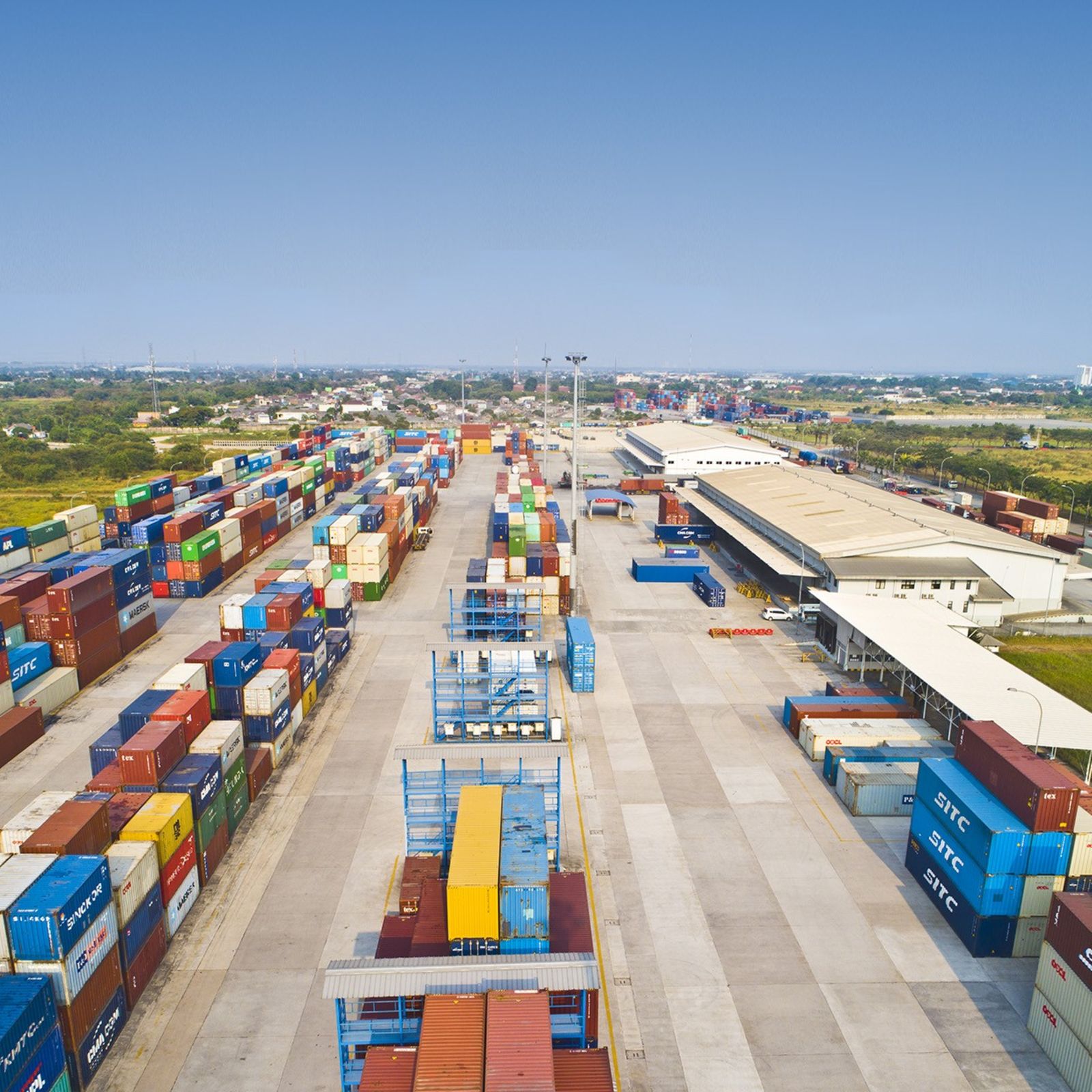
Yet imports remain significant, at US$ 20.93 billion, reflecting Tanzania’s reliance on foreign goods such as fuel, machinery, and industrial inputs.

While these imports weigh on the balance sheet, they also signal economic activity: new factories, energy projects, and infrastructure development.

For traders like Mama Rehema, imports are both opportunity and challenge. “We have customers every day,” she says, “but when the dollar rises, we all feel it.”

The balancing act

The result is a trade deficit that continues to pressure the economy.

But analysts note that narrowing the deficit is a positive sign, suggesting exports are slowly catching up. “It’s about building capacity at home,” says a Dar es Salaam based economist. “The more we process our raw materials locally, the less dependent we become on imports.”

Government policies are pushing in that direction – encouraging local manufacturing, investing in renewable energy, and expanding export markets.

What it means for ordinary person

For ordinary citizens, the trade balance isn’t just about billions of dollars.

It’s about whether farmers get fair prices, whether fuel costs stay manageable, and whether small traders can keep their shelves stocked.

As Abdallah the cashew farmer put it: “When exports grow, we feel hope. When imports get too expensive, we feel the struggle.” Tanzania’s trade balance tells a story of both challenge and progress. The numbers show a narrowing gap, but the lives behind them reveal something more: a country working to transform its economy, one shipment, one harvest, and one sale at a time.

Previous PostSkills recognition drive set to boost business and trade in East AfricaNext PostDebt picture: Growth, risks and the balancing act ahead

Tanzania Investment Moment: Industries shaping growth in 2026 and beyond
Union Netball League strengthen brotherhood, unity and solidarity among Tanzanians
Dr. Gwajima calls for faster implementation of MTAKUWWA II
Tanzania, Norway step up carbon trade cooperation as climate action gains momentum
Universal health insurance rolls out as a move to guarantee healthcare for all
Tanzania hails Hungary’s growing diplomatic and development partnership
Government to reclaim idle mining licences in push to unlock sector investment
South Sudan eyes Tanzania ports in bid to diversify trade routes

Recent Posts

  • Tanzania Investment Moment: Industries shaping growth in 2026 and beyond
  • Union Netball League strengthen brotherhood, unity and solidarity among Tanzanians
  • Dr. Gwajima calls for faster implementation of MTAKUWWA II
  • Tanzania, Norway step up carbon trade cooperation as climate action gains momentum
  • Universal health insurance rolls out as a move to guarantee healthcare for all

Recent Comments

No comments to show.

Recent Posts

  • Tanzania Investment Moment: Industries shaping growth in 2026 and beyond
  • Union Netball League strengthen brotherhood, unity and solidarity among Tanzanians
  • Dr. Gwajima calls for faster implementation of MTAKUWWA II
  • Tanzania, Norway step up carbon trade cooperation as climate action gains momentum
  • Universal health insurance rolls out as a move to guarantee healthcare for all

Recent Comments

No comments to show.
Business Insider

All the day's headlines and highlights from Business Insider, direct to you every morning.

Facebook-f Twitter Youtube Instagram
Business Insider Tanzania
©2026 - All Rights Reserved