

By Business Insider Reporter
As Africa’s tourism industry rebounds strongly in 2025, Tanzania finds itself at the heart of a delicate balancing act: how to maximise tourism revenues while protecting fragile ecosystems, preserving community livelihoods and avoiding the pitfalls of overtourism now confronting the continent’s most iconic destinations.
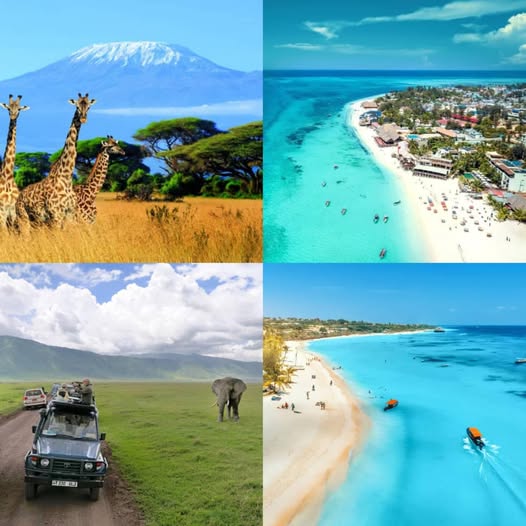
From the Ngorongoro Crater to the Serengeti plains, Tanzania’s natural assets remain among Africa’s most valuable tourism brands. Yet their very success has triggered growing concerns over congestion, environmental degradation and uneven benefit sharing. Like Egypt, Kenya, South Africa and Seychelles, Tanzania is now tightening controls – signalling a decisive shift towards a high-value, low-impact tourism model.
Ngorongoro: Conservation economics under pressure
Few places illustrate the overtourism dilemma more starkly than the Ngorongoro Conservation Area (NCA). A UNESCO World Heritage Site and one of Tanzania’s most visited attractions, the crater has long struggled with vehicle congestion, habitat stress and human-wildlife conflict.
In response, Tanzanian authorities have maintained and periodically adjusted crater service fees and conservation charges, effectively using pricing as a policy tool to regulate demand.
The objective is not simply to raise revenue, but to manage visitor volumes while financing conservation and supporting Maasai communities living within the conservation area.
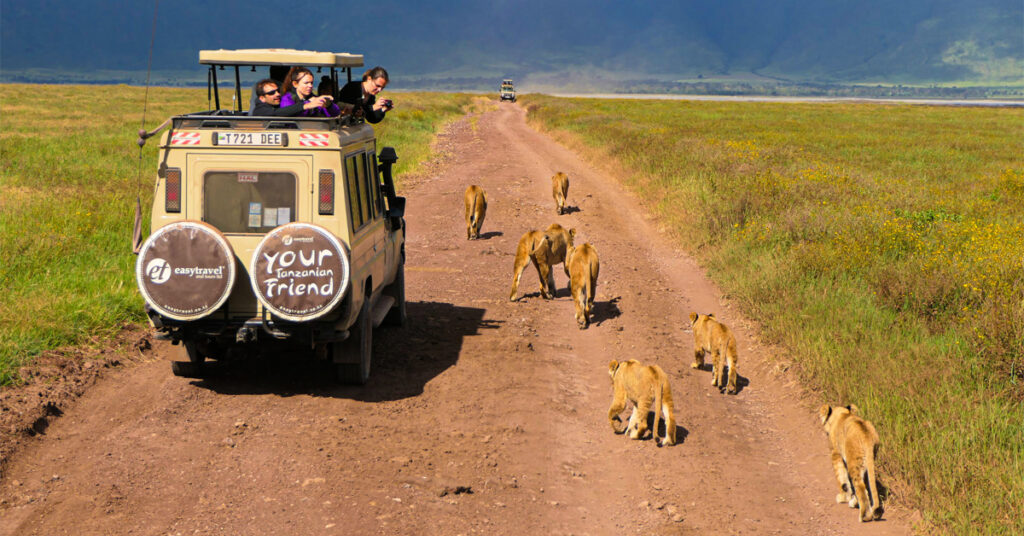
For government planners, Ngorongoro has become a test case in conservation finance. Tourism revenue from the area funds wildlife protection, infrastructure, health and education services for resident communities.
Yet the rising costs of conservation, coupled with global scrutiny over land use and human settlement, have forced Tanzania to reassess how tourism growth aligns with long-term sustainability.
Serengeti: From icon to pressure point
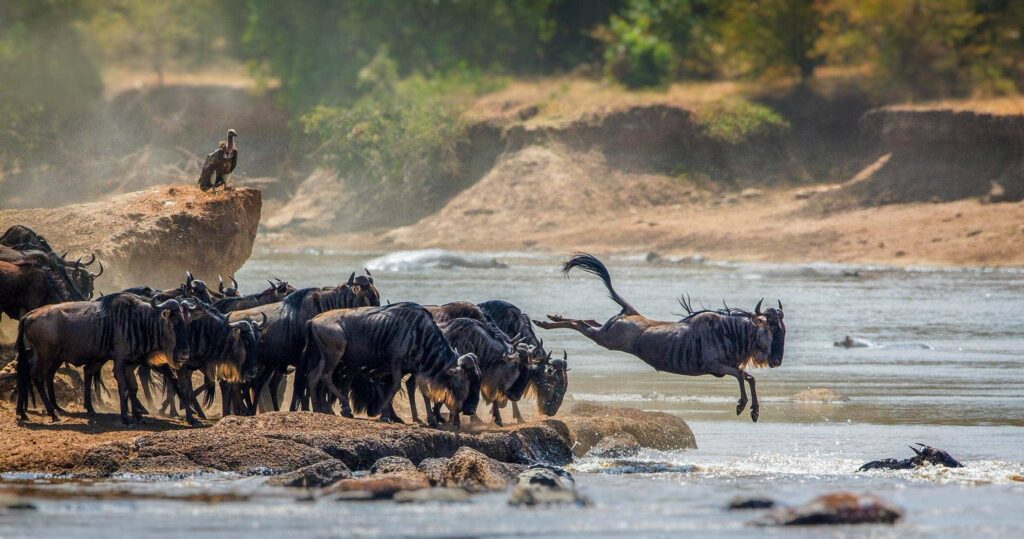
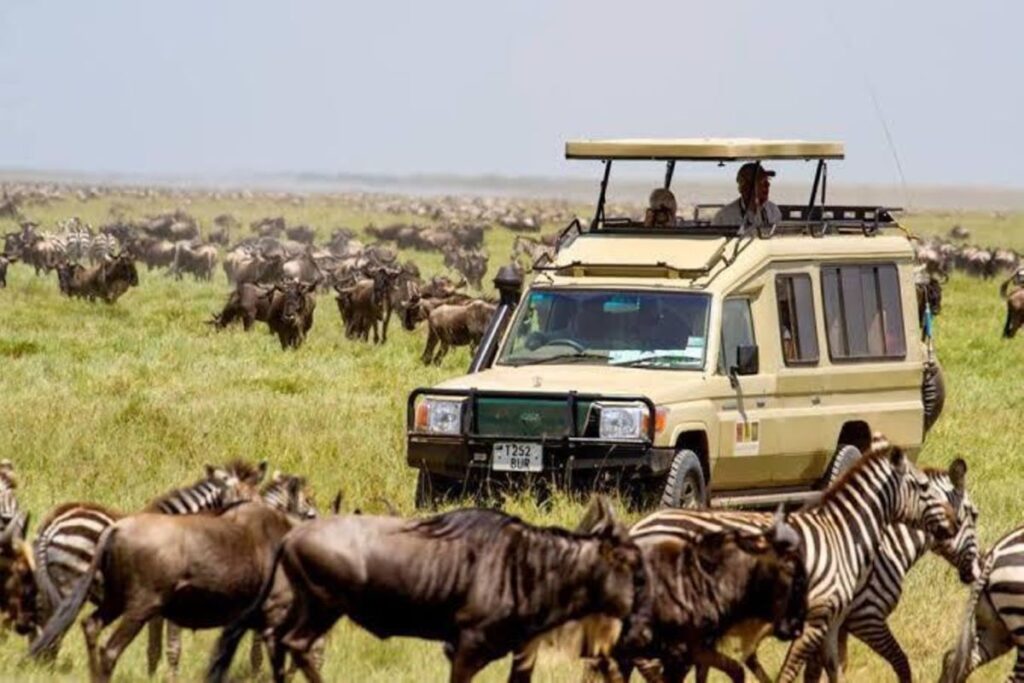
The Serengeti National Park – arguably Africa’s most recognisable safari destination – faces similar challenges. During peak migration seasons, the concentration of safari vehicles at river crossings has raised alarms among conservationists and tour operators alike.
While Tanzania has not imposed hard vehicle caps comparable to Kenya’s Masai Mara, policy emphasis has shifted towards spatial redistribution. Authorities and industry players are aggressively promoting under-visited destinations such as Ruaha, Nyerere (formerly Selous), Katavi and Mahale, positioning them as premium alternatives for high-spending tourists seeking exclusivity.
For investors, this pivot opens new opportunities. Lodge development, aviation services and conservation-linked enterprises in the Southern and Western Circuits are increasingly viewed as the next frontier of Tanzania’s tourism economy – less crowded, higher margin and more sustainable.
Learning from Africa’s overtourism hotspots
Across the continent, Tanzania’s strategy mirrors a broader recalibration. Kenya has introduced strict vehicle limits in the Masai Mara, while Botswana continues to restrict numbers in the Okavango Delta through premium pricing.
South Africa is grappling with urban overtourism in Cape Town, using tiered park fees and urban policy interventions to protect communities.
Egypt’s move to increase entry fees at heritage sites such as the Pyramids of Giza reflects the same logic now shaping wildlife tourism in East Africa: volume is no longer the objective – value is.
These experiences reinforce a critical lesson for Tanzania: overtourism is not merely an environmental issue; it is a governance and revenue-management challenge.
Tourism as a strategic economic asset
Tourism remains one of Tanzania’s largest foreign-exchange earners, supporting airlines, hospitality, transport, agriculture and financial services. But unchecked growth risks eroding the very assets that underpin the sector.
By prioritising higher yields over higher numbers, Tanzania aims to stabilise earnings while reducing ecological strain. For the private sector, this translates into fewer visitors – but higher per-capita spending, longer stays and more diversified products.
At the same time, community benefit-sharing is moving closer to the centre of policy debates. Without visible local gains, conservation becomes politically and socially fragile. Tanzania’s long-term success will depend on whether tourism revenues tangibly improve livelihoods in wildlife-adjacent communities.
A turning point for tourism model
As Egypt joins Tanzania, Kenya, Seychelles and South Africa in confronting overtourism in 2025, the message is clear: Africa’s tourism boom must now mature.
For Tanzania, this is not a retreat from tourism growth – but a strategic evolution. By tightening controls, expanding alternative destinations and reinforcing conservation finance, the country is signalling that sustainability, not volume, will define its tourism future.
| Tourism Destination | Number of Visitors (2024) | Growth from 2023 (%) |
| Serengeti National Park | 589,300 | +11.2% |
| Zanzibar Beaches | 478,900 | +9.6% |
| Mount Kilimanjaro | 295,400 | +13.4% |
| Ngorongoro Crater | 273,600 | +10.1% |
The real test will be execution. If managed well, Tanzania can preserve its global tourism appeal while securing long-term economic returns. If not, overtourism risks becoming an expensive liability rather than a national asset. In 2025, Tanzania stands at a crossroads – one that could redefine how Africa’s natural wealth is monetised, protected and passed on to future generations.


