

By Peter Nyanje
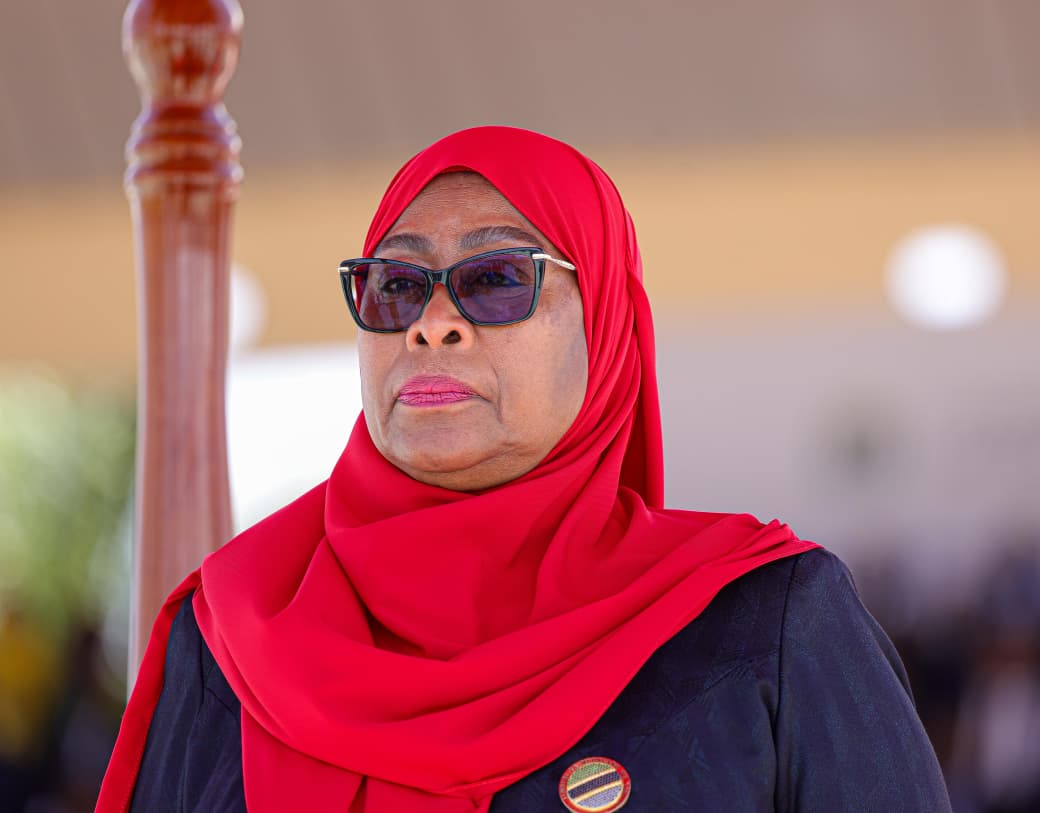
When President Samia Suluhu Hassan stood before her newly sworn-in ministers at Chamwino State House this week, the tone of her speech signalled something far more consequential than a routine cabinet reshuffle. It was a candid assessment of the state of the nation’s governance, the fragility of Tanzania’s fiscal position and the political urgency underpinning her administration’s next five years.
With a litany of promises, short time to implement them and uncertainty on availability of enough resources, President Samia boldly told her new team that they have no time to waste and should think outside of the box when it comes to mobilise resources for implementation of the campaign promises.
The President’s remarks exposed a reality that has, until now, been acknowledged only obliquely in government: Tanzania has entered the second phase of the Sixth Administration with depleted credibility, tight resources and limited time, yet with soaring public expectations shaped by ambitious promises.

What emerges from her speech is the blueprint of a leader determined to recalibrate both the machinery and culture of government before the window for effective delivery closes.
A government in a hurry
Few Tanzanian presidents have spoken as plainly about time as President Samia did. “We have promised too much and the time is too little,” she told her ministers. It was less a warning than a strategic confession: the Sixth-Phase Government cannot afford another slow start, bureaucratic delays or policy paralysis.
Her insistence on immediate implementation, particularly the reminder that ministers with 100-day pledges must execute them now, underscores an administration shifting from stabilisation to acceleration.
Tanzania has navigated a pandemic, political transition and regional disruptions. The next stage, as Samia made clear, demands speed, clarity and measurable impact – not process-driven comfort.
From prestige politics to performance politics
Samia’s pronouncement that ministerial appointments are “responsibilities, not badges of honour,” is more than rhetoric. It reflects frustration with the entrenched culture of entitlement within parts of the political establishment.
Her remark – “If anyone sees this role as a source of pride, we shall follow you slowly, step by step” – was not a joke. It was a direct challenge to cabinet members who have historically treated ministries as personal kingdoms rather than institutions of public service.
In a political environment long accustomed to portfolio prestige and hierarchy, Samia is pushing a cultural shift: performance politics over prestige politics.

Cabinet reshuffles will continue “until I find those who suit the roles,” she said. This is performance management in its bluntest form – a rare approach in a region where loyalty often trumps competence.
Hard truth: Fiscal credibility dent
Perhaps the most revealing section of her speech was the acknowledgement that Tanzania’s international creditworthiness has been damaged. She spoke of “a stain” that may prevent the country from securing anticipated loans and grants.
This is a stark admission.
Over the past year, global lenders and development partners have quietly expressed concerns over governance transparency, procurement practices, and political developments. Samia’s public recognition of this credibility challenge is a significant shift – it is both a caution and a reset button.
Her proposed solution is equally bold: begin national projects with domestic resources first, rather than waiting for external financiers.
This is an assertive model often used by emerging economies under pressure – start with what you have, let development partners join later if they wish. It reduces donor leverage and increases national ownership, but it also requires disciplined fiscal management and political courage.
The new doctrine
By emphasising “resources given to us by God,” Samia signalled the beginning of a homegrown financing doctrine. It is a recognition that reliance on external loans is increasingly risky, especially as geopolitical competition, donor fatigue and global financial tightening reshape development finance.
Her message is clear: Tanzania must marshal its natural resources, expand its tax base, curb leakages, and reinvent public finance if it hopes to implement its agenda.
This approach aligns with broader African trends. Across the continent, governments are turning inward – seeking domestic capital, leveraging mineral wealth, and exploring innovative financing to build roads, ports, energy systems and industrial infrastructure.
Grounding governance in human dignity
Unusually for a president addressing economic urgency, Samia emphasised utu – human dignity – as the moral compass for ministerial leadership.
“In our work, let us uphold humanity. Humanity begins with us and extends to our people,” she said.
This is a subtle but important ideological reorientation.
Tanzania’s political evolution over the past decade has wrestled with questions of rights, voice, and civic space. Samia’s framing signals an intent to rebuild trust between citizens and institutions – essential for social stability, economic confidence and investor assurance.
It also suggests a shift from command-and-control governance toward a more consultative, dignity-centred model.

The political genius of Samia’s candid reset
Strategically, this speech functions as a multi-layered political tool:
Accountability signal: Ministers now understand that their survival depends on visible results, not political connections.
Expectation management: Citizens are being prepared for a demanding, faster-paced second term.
Credibility repair: The government acknowledges international concerns and is signalling corrective intent.
Institutional discipline: A new administrative culture is being shaped – one that prizes delivery over ceremony.
Coalition building: By reminding ministers they were chosen not for superiority but for service, she neutralises internal rivalries and emphasises unity.
This is political recalibration at its finest – firm, transparent, and strategically timed.
The road ahead: Promise meets pressure
President Samia’s address marks the beginning of a high-stakes race. Her second phase begins with:
- limited resources,
- weakened external credibility,
- ambitious national commitments,
- internal administrative reforms,
- and the countdown to widespread delivery expectations.
Whether this cabinet meets the moment will determine much of Samia’s legacy – and Tanzania’s development trajectory over the next five years. Her message could not have been clearer: there is no more time for comfort, excuses or ceremonial governance. Tanzania must move – and move with purpose.


