

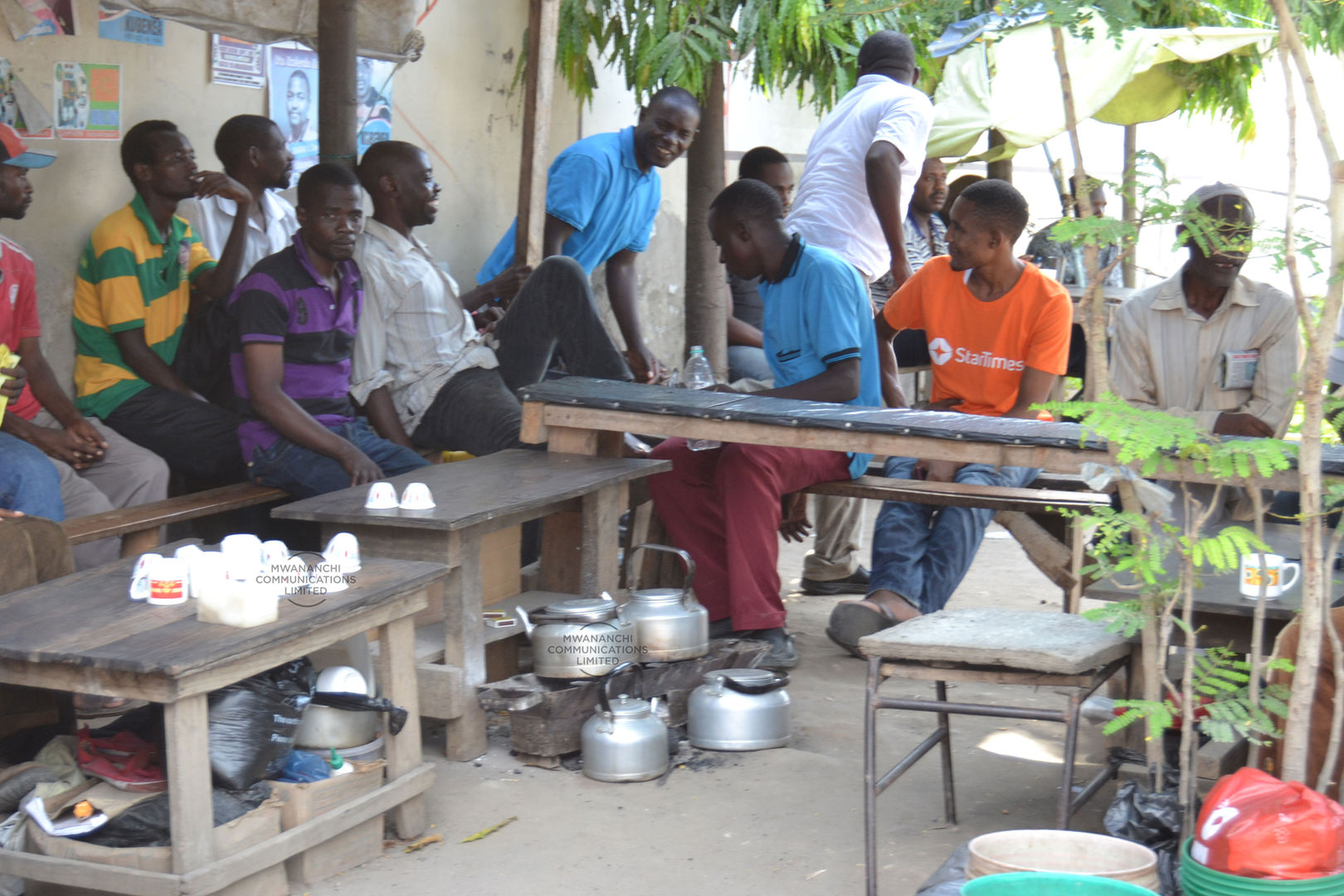
- Youth employment puzzle pose a structural challenge holding back economic potential
By Peter Nyanje
Tanzania’s demographic advantage is widely cited as a cornerstone of its long-term development ambitions. With a large and growing cohort of young people, the country appears poised to reap a demographic dividend – a boost to economic growth driven by a strong working-age population.
Yet beneath the optimism lies a complex challenge: Tanzania’s labour market is struggling to absorb its young workforce effectively, a situation that risks blunting the nation’s economic momentum and undermining inclusive growth.
Despite a robust headline GDP growth – often above 6 percent annually in recent years – Tanzania grapples with youth unemployment, underemployment and weak job quality, trends that are increasingly visible in official data and international analyses.
Youth unemployment: Numbers tell a complicated story
Recent figures from the National Bureau of Statistics (NBS) show that unemployment for youths aged 15–35 years stands at around 9.5 percent nationally, higher than the government’s own development plan target of 8 percent.
In Zanzibar, that rate jumps to 23.4 percent, more than double the mainland rate, highlighting regional disparities in labour market outcomes. Youth unemployment is significantly higher in urban areas (15.9 percent) compared with rural zones (5 percent), with young women disproportionately affected -especially in urban centres.
By contrast, internationally comparable World Bank labour force indicators suggest a lower official youth unemployment rate of around 3.3 percent for ages 15–24 in 2024, reflecting definitional and measurement differences between international standards and national statistical approaches.
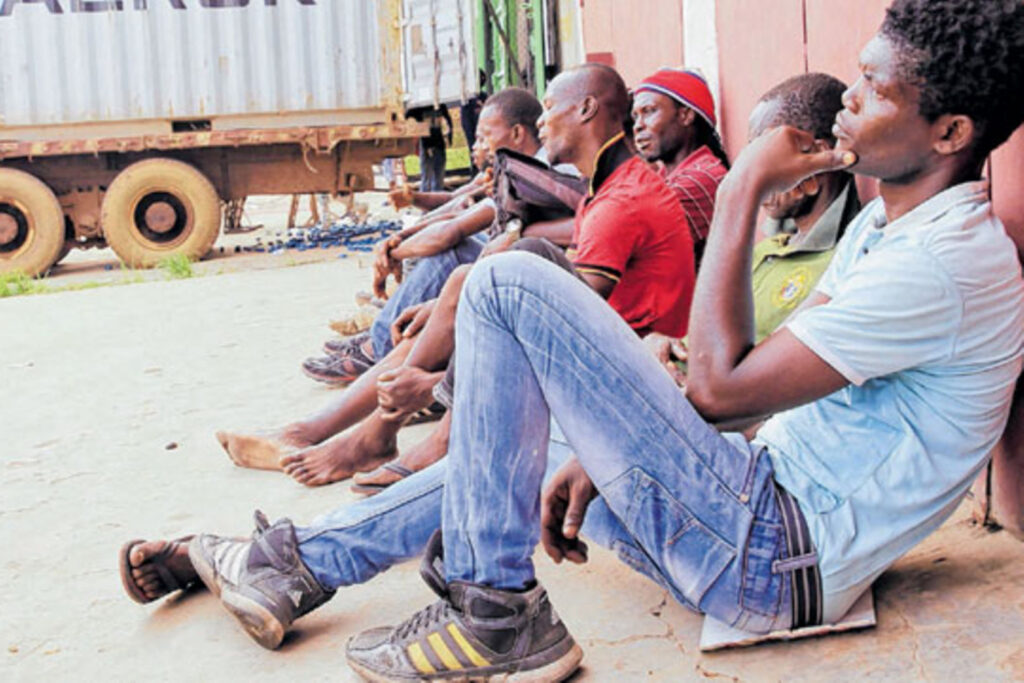
Whether using local or international definitions, one theme is consistent: youth unemployment remains a real constraint – particularly for those with secondary or post-secondary education who expect formal sector opportunities that the economy has yet to deliver at scale.
Informality and labour market structure
Even where young people are “employed”, formal job quality is elusive. The World Bank notes that job creation in Tanzania has not kept pace with labour force growth: about 800,000 new entrants join the labour market annually but a large share end up in precarious work or subsistence activities.
Informal employment dominates, with over 70 percent of workers in informal jobs lacking social protections or stable income.
The NBS Integrated Labour Force Survey corroborates this structural issue: while the national unemployment rate has edged down to around 6.2 percent, informality has surged to 94.6 percent of total employment.
Most workers – especially youth – are dependent contractors or informal operators rather than formal employees with contracts and benefits.
Agriculture’s dominance and its limitations
Tanzania’s workforce is heavily skewed toward agriculture, which remains the largest employer, engaging about 56–62 percent of the labour force, according to NBS.
However, the sector contributes only about 30 percent of GDP, signalling low productivity. World Bank analysis emphasises that continued heavy reliance on agriculture – especially subsistence farming – limits broader economic transformation, leaving millions in low-productivity jobs with limited upward mobility.
This structural mismatch means that while agriculture soaks up jobs, it does little to meaningfully raise incomes or absorb educated youth seeking market-linked opportunities.
Education, skills and labour market mismatch
according to Afrobarometer, Tanzanian youth have higher educational attainment compared with earlier generations, with around 41 percent reporting secondary or post-secondary education in recent surveys.

Yet education quality and skills relevance remain concerns. Employers across industry sectors – especially manufacturing, technology and services – continue to lament pervasive gaps in work-readiness, digital skills, foreign languages and technical know-how.
This skills mismatch means that even as Tanzania expands university and vocational training enrolments, many graduates struggle to find jobs that match their qualifications, contributing to youth joblessness and underemployment.
Regional disparities and urban pressure
Urban centres such as Dar es Salaam attract large numbers of young jobseekers, but opportunities remain constrained. While rural areas tend to show lower unemployment rates – due in part to agricultural absorption – the quality of employment is often poor, with low productivity and minimal social protection.
Zanzibar’s sharply higher youth unemployment underscores that labour market challenges are not uniform across the country, and regional policy responses must reflect diverse economic structures and opportunities.
Economic outlook and risks
The unresolved disconnect between youth supply and labour demand poses risks to Tanzania’s development vision. Without meaningful employment opportunities, a rising number of young people could experience diminished earnings, lower consumption and weaker investment in skills, feeding into long-term underperformance.
International institutions warn that without structural reforms and investments in skills, the next decades could see an expanding cohort stuck in precarious work, undermining poverty reduction efforts and delaying Tanzania’s transition to a middle-income economy.
Strategies for inclusive youth employment
Addressing youth unemployment and underemployment requires a multi-pronged approach:
Skills reform: Align education curricula and vocational training with market demand, prioritising digital, technical and entrepreneurship skills.
Private sector engagement: Incentivise formal job creation through tax measures, investment in labour-intensive sectors and support for small-medium enterprises.
Entrepreneurship support: Expand access to affordable finance, business development services and mentorship for youth-led startups.
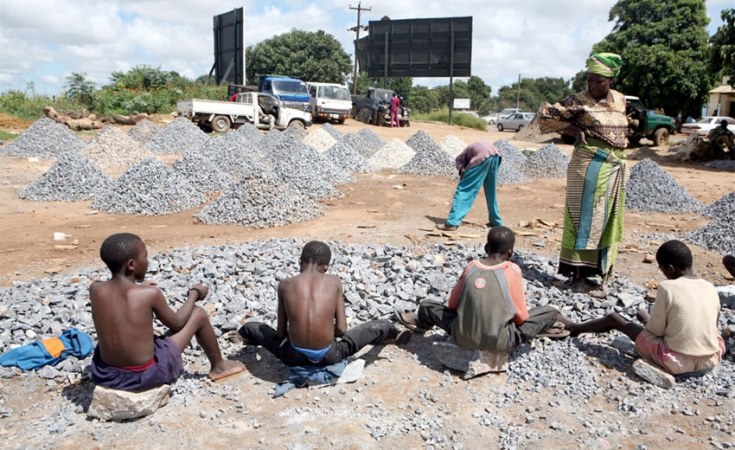
Agriculture modernisation: Shift from subsistence to commercial agriculture with value-chain linkages that create higher-paid opportunities.
Regional development: Tailor job creation strategies to regional strengths, from tourism in Zanzibar to agribusiness hubs inland.
What is to be done?
Tanzania’s youth represent an immense asset – but without concerted action to create quality jobs and expand opportunities, their potential could remain untapped. The country’s economic future depends on turning youthful energy into productive employment that drives innovation, consumption and sustainable growth. In the context of Dira 2050 and broader economic transformation goals, investing in youth is not just a social imperative – it is a strategic economic priority for the nation’s long-term prosperity.


