

By Business Insider Reporter
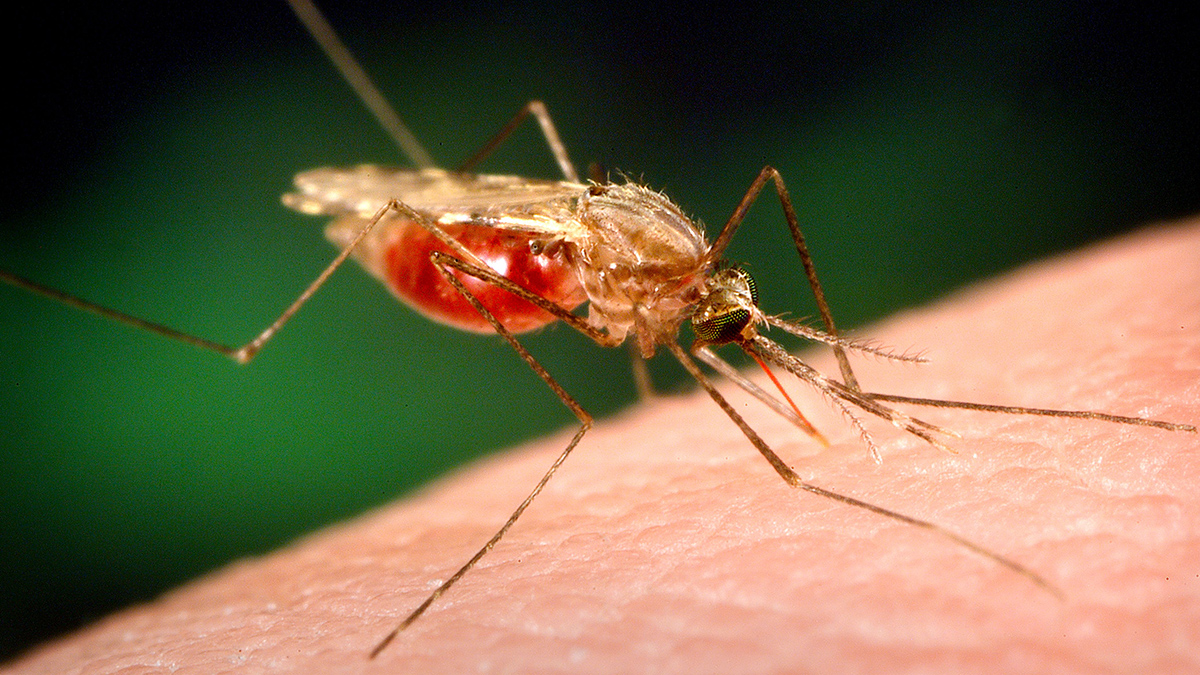
Two promising new malaria treatments are offering fresh hope in the fight against one of Africa’s deadliest diseases – and Tanzania stands to benefit significantly as it works to reduce both infections and the heavy economic burden the illness imposes.
Scientists this month announced advances from two major research efforts.
Swiss drugmaker Novartis reported strong trial results for its next-generation antimalarial, tested across 12 African countries. The drug is designed to fight emerging resistance to current therapies and could be available to patients within a year, pending regulatory approval.
In a separate breakthrough, researchers in Gabon revealed that a single-dose combination of four antimalarial medicines successfully cleared parasites in 93 percent of patients within 28 days, offering a simpler treatment option that could help improve compliance in rural areas.
Malaria still kills more than 600,000 people globally each year, most of them African children. For Tanzania, the disease remains a significant health and development challenge.
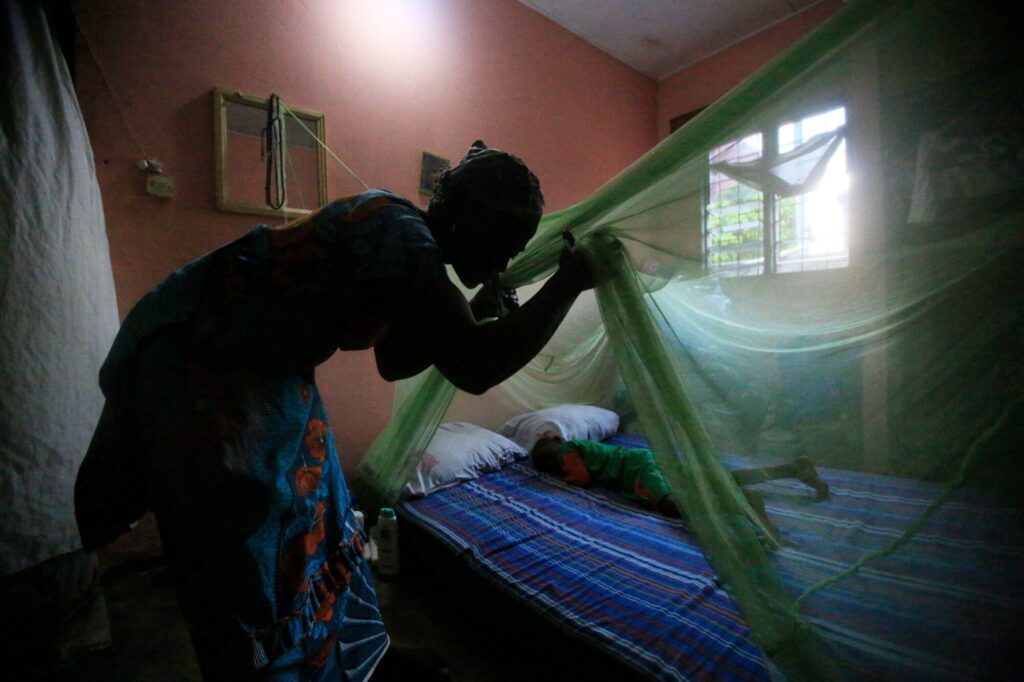
The Ministry of Health estimates that malaria costs the nation over US$300 million (about TSh 732 billion) annually through treatment expenses, lost workdays, and reduced productivity – especially in agriculture, where seasonal outbreaks can cripple rural livelihoods.
Despite these challenges, Tanzania has achieved substantial progress. National prevalence has dropped from 14 percent in 2015 to just over eight percent and malaria deaths have fallen by nearly 40 percent in four years, from more than 2,400 in 2020 to around 1,500 in 2024.
Nevertheless, the country continues to record 4–4.5 million cases annually, underscoring the need for stronger tools to combat lingering transmission.
The government has stepped up its response through a combination of vector control, rapid diagnostics, genomic surveillance, and community-based testing.
It has also established an End Malaria Council to coordinate national efforts and mobilize resources, while substantial donor support – including over US$600 million from the Global Fund for 2024–2026 – is helping sustain preventive measures such as bed net distribution and indoor spraying.

Experts say the new treatments could play a crucial role as resistance to existing drugs increases. A single-dose therapy, in particular, could ease pressure on health workers and reduce treatment failures linked to incomplete dosing. If successfully deployed, the breakthroughs could accelerate Tanzania’s goal of eliminating malaria by 2030, saving thousands of lives and delivering a significant economic boost. For communities still battling the disease each rainy season, the promise of new, more effective medicines represents a much-needed step forward.


