

By Silja Fröhlich
HIV patients are losing access to medication, while healthcare programmes have come to a halt. What impact are the Trump administration’s USAID cuts having on healthcare in Africa?
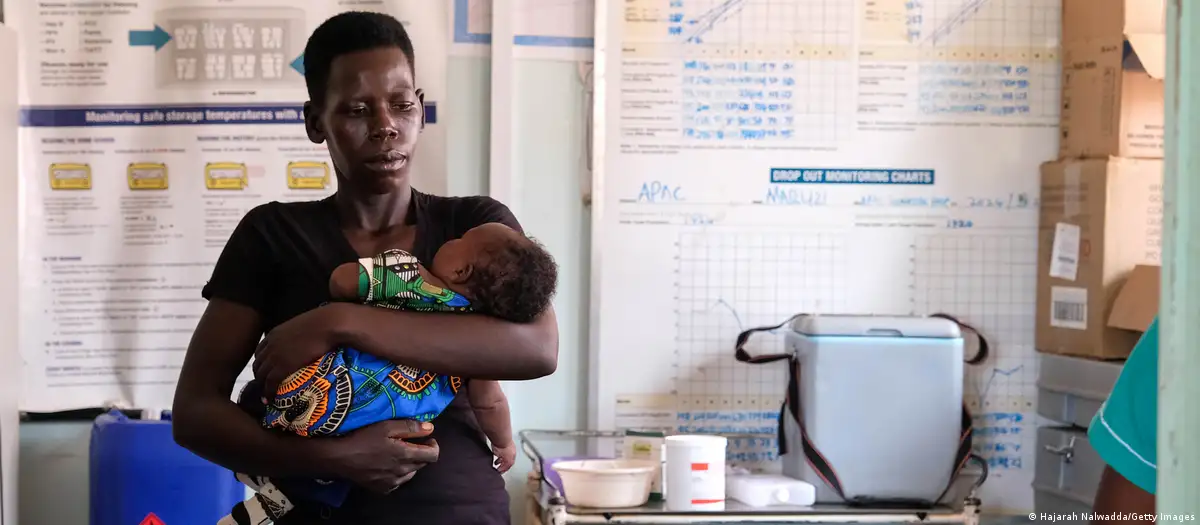
For the inhabitants of remote South African villages, getting access to medication is a challenge. HIV patients like 19-year-old Nozuko Majola must travel more than an hour to get the vital antiretroviral medication they need. But it wasn’t always like this.
“We used to get the drugs delivered to our homes, but since Donald Trump announced he was cutting aid, the drugs have stopped coming. I’m worried that this service will be cancelled altogether,” Majola told DW.
She is one of an estimated 8 million people living with HIV in South Africa. The country has one of the highest rates of HIV in the world. Another HIV patient, Nozuko Ngaweni, who has been taking antiretroviral medications (ARVs) for decades, now fears for her life.
“When I heard that the US had cancelled its aid, I felt like I was dying,” she said. “I asked myself: ‘Will I get medication next month? I have medication for this month, but what comes after?'”
The US has donated to South Africa’s health sector for many decades, primarily to combat HIV/AIDS. In 2023, the US gave the country US$400 million (€352 million) in funding.
The US funding cuts to South Africa’s HIV/AIDS programmes could lead to more than 500,000 deaths over the next decade, the head of the Desmond Tutu HIV Foundation, Linda-Gail Bekker, told reporters in February.
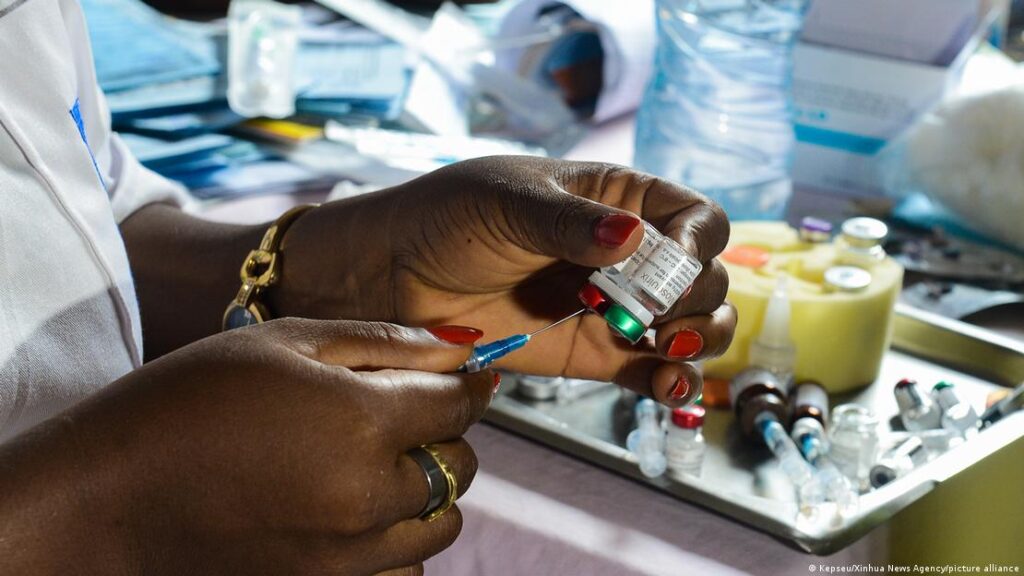
After taking office on January 20, President Trump issued an executive order that paused foreign aid assistance for 90 days. The review ended with the decision to dismantle USAID as an independent agency. The administration slashed 90 percent of foreign contracts and grants funded by the US aid agency.
Such funding cuts have been a blow to many African countries. Sub-Saharan Africa is the second-largest recipient of USAID funding worldwide, receiving US$12.7 billion (€11.2 billion) in 2024. Up to 4 million additional people could now die from treatable diseases in Africa as a result of the loss of US funding, according to the Africa Centres for Disease Control and Prevention (Africa CDC).
Catastrophic consequences
The pan-African NGO Amref Health Africa, which trains specialists and provides medical care to almost 20 million people a year, lost 20 percent of its budget primarily due to the US cuts. In Ethiopia, educational programmes for thousands of young people have been canceled, while 500,000 tuberculosis screenings could no longer be carried out in Tanzania, according to Amref.
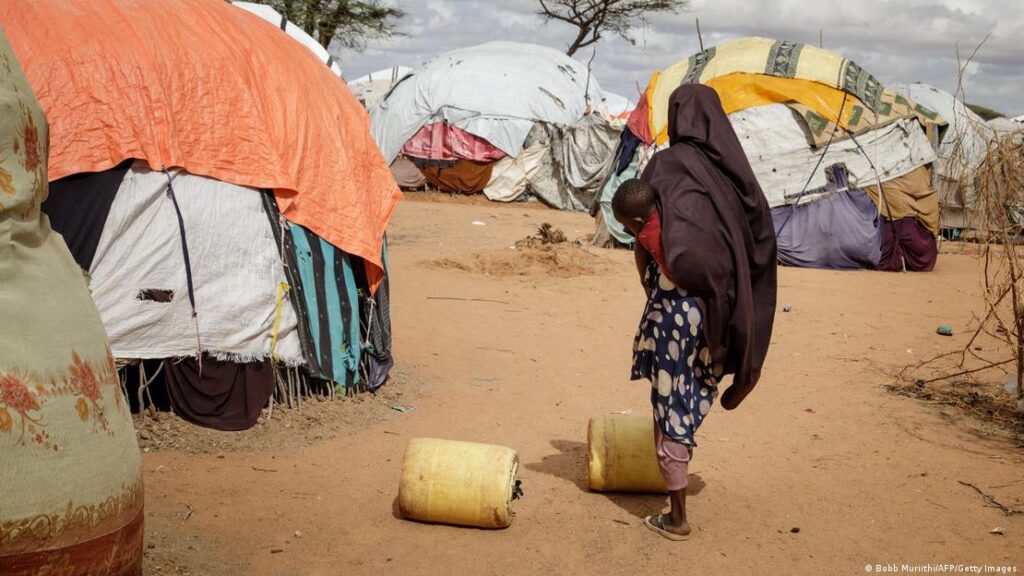
“We are seeing massive gaps in all countries. All sectors where humanitarian aid is needed are affected,” said Lara Dovifat, head of advocacy at Doctors Without Borders (Medecins Sans Frontières, MSF) in Germany. In South Sudan, MSF is struggling to respond to a cholera outbreak, due to a shortage of aid workers after USAID-funded clinics were forced to close.
“The consequences are catastrophic,” Dovifat told DW of the cuts.
Dovifat also points to the example of Somalia: “The number of malnourished children is rising because so many nutrition centres have had to close.”
Meanwhile, in Sudan, a water supply system that operated with USAID funding was shut down overnight.
Spread of malaria, tuberculosis and HIV
The cut in funding related to the fight against HIV/AIDS is particularly dramatic. The US is no longer funding UNAIDS, the UN’s HIV/AIDS funding programme that goes to communities around the globe. Some have called the US cuts in aid the biggest blow to the global effort to fight the disease.
In Kenya, funding has gone down from US$846 million to just US$66 million for 2025. Numerous HIV treatment centres have closed, with up to a million people infected with HIV lacking medication.
Nigeria is also heavily dependent on USAID funding. Although the government was able to release around US$3.2 million in US aid for HIV medication, without continued US support, setbacks in the fight against HIV/AIDS, tuberculosis and malaria are certain.
To finance the fight against these three infectious diseases, the international community set up the Global Fund in Geneva in 2002. Michael Byrne, head of the Global Fund’s technical advice and partnerships department, is especially concerned about the cutbacks in malaria prevention programs.
“If you don’t get malaria under control, then it’s very likely that there will be a significant resurgence and deaths,” Byrne told DW. Malaria claims 600,000 lives every year, most of them are children under the age of 5 in Africa, according to the World Health Organization.
‘We are losing 10 to 20 years of progress’
MSF’s Dovifat also fears the cuts could undo the progress made in the area of disease prevention.
“We are losing 10 to 20 years of progress in the treatment of HIV/AIDS. Many programs have been stopped, including programs for tuberculosis and outbreak control,” she said.
The US is also cutting funding to Gavi, the Vaccine Alliance, a global health partnership that provides vaccines to children in low-income countries. USAID accounts for about 13 percent of Gavi’s budget. As a result, 75 million children are expected to miss routine vaccinations over the next five years, which could result in up to 1.3 million preventable deaths, according to the organization.
Countries such as the Democratic Republic of Congo, where MSF plays a crucial role in providing vaccines in areas with limited access to health care, will be heavily affected by the withdrawal of US funding to Gavi.
Top Sub-Saharan African Recipients of USAID Obligations — FY 2024
| Rank | Country | USAID Obligations |
| 1 | Democratic Republic of the Congo | ~$1.30 billion |
| 2 | Ethiopia | ~$1.25 billion |
| 3 | Nigeria | ~$0.88 billion |
| 4 | South Sudan | ~$0.83 billion |
| 5 | Kenya | ~$0.82 billion |
| 6 | Mozambique | ~$0.76 billion |
| 7 | Sudan | ~$0.69 billion |
| 8 | Uganda | ~$0.56 billion |
| 9 | Tanzania | ~$0.52 billion |
| 10 | Zambia | ~$0.49 billion |
Yet, despite the setbacks, Byrne, the head of the Global Fund, remains hopeful about the future. Countries across sub-Saharan Africa have been quick to plan on the national level and come up with domestic funding, he said.
“For example, Uganda and Malawi have issued communiques stating that their countries would step in to fill the gaps,” he said. “They have implemented policy measures to support the work of community health workers.”
Many in the sector hope that other countries will not follow the US and cut funds too. “The situation we find ourselves in now is not just about one country. There has been a trend in this direction for some time,” Byrne said. “If we don’t get infectious diseases under control, we will have to pay more later – and wealthier countries will feel that too.”


