


By Business Insider Reporter
Tanzania’s gold industry posted one of its strongest performances in recent years in 2025, delivering a significant boost to the country’s export earnings and strengthening the foundation for long-term economic transformation envisioned under the national development blueprint, Dira 2050.
New data from the World Gold Council and Bank of Tanzania (BoT) show that a combination of rising global gold prices, improved domestic production, and targeted reforms helped the country capture more value from its most strategic mineral.
According to BoT monthly economic reviews (MERs), gold export earnings climbed sharply in 2025, rising to about US$ 4.3 billion in the year ending August–September 2025, up from about US$ 3.1 billion in 2024.
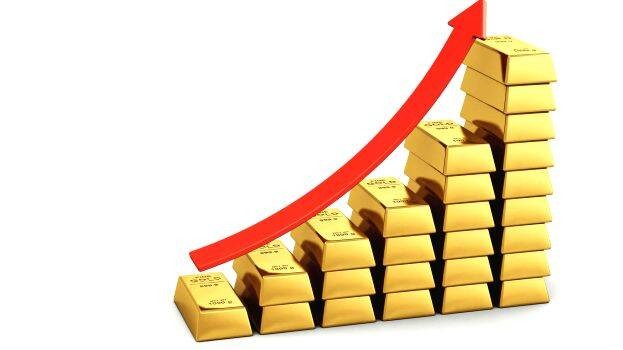
This represents a year-on-year increase of more than 35 percent – a surge that significantly strengthened the country’s merchandise export performance at a time when other external inflows, including aid and concessional financing, were facing uncertainty.
“Export of goods and services rose to US$ 17,094.2 million in the year ending September 2025, from US$ 14,896.3 million in the same period in 2024,” the central bank notes in the October 2025 MER.
“The growth was largely driven by increased service receipts and stronger performance in the export of gold, manufactured goods, and traditional exports, particularly cashew nuts and tobacco,” it explains.
“Gold exports surged by 35.8 percent to US$ 4,431.2 million, compared to US$ 3,263.9 million, primarily due to elevated global gold prices,” BoT adds in the latest review of the national economy.
Economists attribute this remarkable jump to three key factors. First, global gold prices maintained strong upward momentum throughout 2025, supported by higher investment demand and geopolitical uncertainty.
Data released by the World Gold Council highlighted continued investor movement into gold as a safe-haven asset, pushing prices to multi-year highs and amplifying export values for producers such as Tanzania.
Second, domestic production and formalisation efforts improved, allowing more gold to enter official export channels. Government initiatives – including the expansion of mineral trading hubs, centralised gold purchases, assaying services, and reforms aimed at reducing illegal smuggling – have boosted recorded volumes.
These policy interventions ensured that a greater proportion of Tanzania’s gold output was captured through formal systems, raising both foreign-exchange earnings and government royalties.
Third, reforms to strengthen domestic refining and on-shore trading helped the country retain more value from mineral activities. The authorities have accelerated investments in mineral processing zones, refining plants, and traceability systems that support responsible sourcing.
Artisanal and small-scale miners have also benefited from cleaner processing technologies and better market access through government-supported centres.
The benefits for the economy have been immediate. The surge in gold receipts has provided a crucial buffer for foreign-exchange reserves, helping to stabilise the shilling as import demand remained high. At the fiscal level, increased royalty collections and related taxes have expanded the country’s revenue base, creating more room for public investment in priority sectors.
More strategically, the 2025 gold windfall aligns closely with the ambitions of Dira 2050, which positions minerals – including gold, lithium, graphite and rare-earth elements – as pillars of Tanzania’s long-term industrialisation and export diversification.
The national socio-economic development blueprint emphasizes domestic mineral value addition, the establishment of processing clusters, and leveraging natural resource wealth to drive broader manufacturing and skills development.

Analysts, however, caution that these gains must be carefully managed. Gold prices are historically volatile, and overreliance on a single commodity exposes the economy to external shocks. Effective governance, transparent contracts, and sustained investment in refining capacity will be essential to converting current momentum into lasting structural transformation. Still, the 2025 performance underscores gold’s enduring importance to Tanzania’s economy – not just as a leading export earner, but as a strategic enabler of industrial ambitions. With the right policies, the sector could continue to anchor the country’s economic resilience while powering the long-term transformation agenda outlined in Dira 2050.


