


By Business Insider Reporter
Tanzania stands at a defining moment in its environmental and economic trajectory. With the global demand for high-quality carbon credits rising – and with Africa increasingly recognised as a frontier for nature-based solutions – the country’s vast forests, wetlands, and rangelands have positioned it as an emerging leader in the carbon economy.
What was once viewed as a highly technical, donor-driven climate tool is rapidly becoming a strategic sector capable of transforming community livelihoods and contributing meaningfully to national revenue.
Over the past decade, carbon trading projects have spread across Tanzania’s landscape. REDD+ initiatives, sustainable land-use schemes, and renewable-energy programmes have taken root from the Miombo woodlands of Katavi to the fertile plains of Manyara and the coastal forests of Lindi.
Strategic partnerships
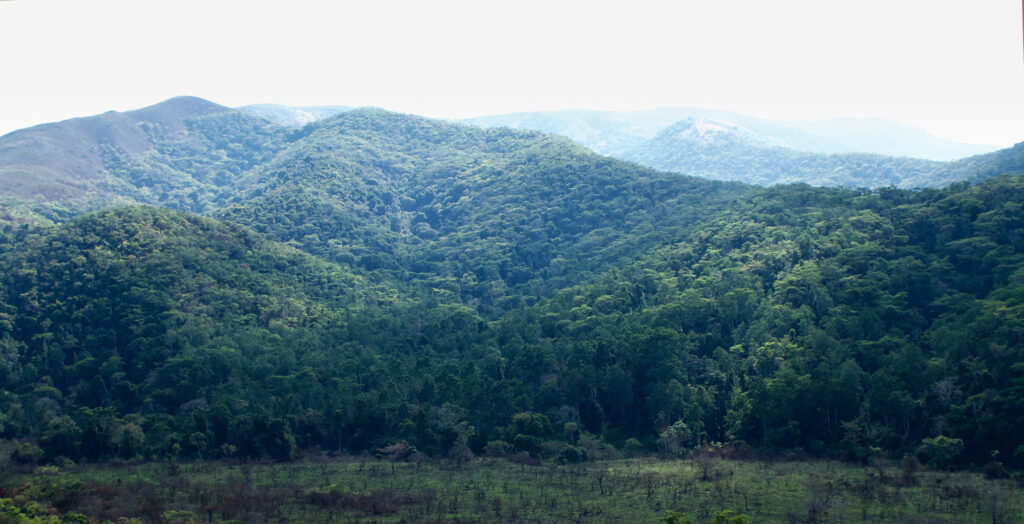
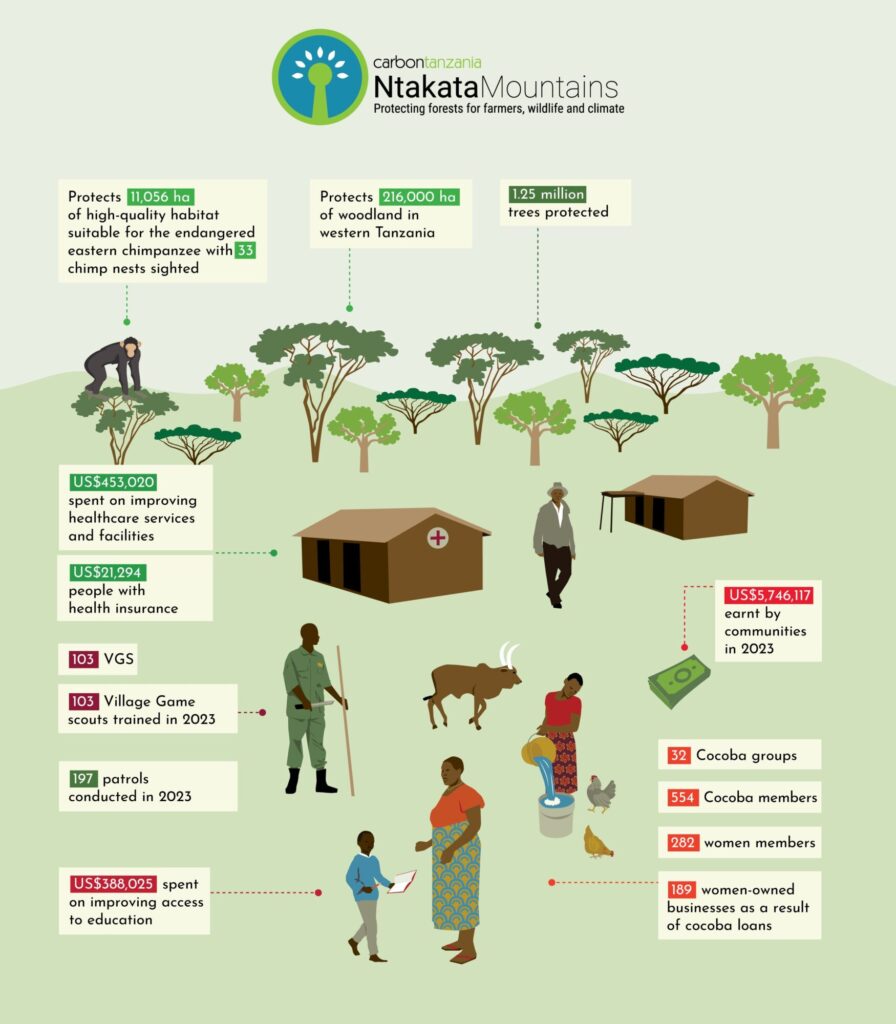
Among the most visible success stories is the Ntakata Mountains project in Tanganyika District, where more than 200,000 hectares of forest are protected through a partnership between local communities and project developers.
The financial benefits tell a compelling story: in 2023 alone, the participating villages received TSh 14.25 billion, and the total distributed since the project began has now reached TSh 22.5 billion. These revenues are not symbolic – they are actively reshaping local development priorities and daily life.
In many of the involved villages, these funds have financed the construction of new classrooms, staff houses and dispensaries; they have strengthened health-insurance pools, funded school fees, and improved food security. For households, the impact is direct and transformative.
Parents can afford uniforms and books for their children, families can stabilise their income during hard seasons, and small enterprises – from poultry farming to local kiosks – benefit from new capital injections. Local leaders often say that carbon finance has become one of the most reliable income sources in areas historically underserved by traditional economic sectors.
Green jobs
This infusion of revenue has also stimulated employment. Community rangers, forest monitors, data clerks, and project support staff are hired and trained through carbon income, creating a new class of green jobs anchored in conservation.
The stability of these jobs supports local economies while promoting a collective sense of ownership over natural resources. Local institutions – from village councils to environmental committees – have also grown stronger, with improved financial capacity and enhanced governance structures.
Local governments are beginning to recognise carbon trading as a serious revenue stream as well. Tanganyika District, buoyed by the success of the Ntakata model, has projected annual earnings of up to TSh 60 billion once its carbon trade agreements fully mature.
This signals a major shift in how district councils perceive environmental assets: forests are no longer passive backdrops, but active financial engines.
Carbon earnings
At the national level, carbon trading’s contribution is becoming increasingly significant. By mid-2025, Tanzania had earned about TSh 45 billion from carbon trading, distributed across ten districts. Between 2018 and 2022, revenues reached TSh 32 billion under mechanisms such as the Clean Development Mechanism (CDM), covering sectors from forestry to methane recovery and renewable energy.
Officials now project that as more projects mature and more carbon-right agreements are clarified, Tanzania could eventually unlock as much as US$ 1 billion (about TSh 2.4 trillion) in cumulative value. In a global market valued at about US$ 2.5 billion in 2023 – with strong future growth expected – Tanzania is poised to play a meaningful role if it sustains this momentum.
Yet, despite the impressive gains, significant challenges remain. A recent performance audit revealed that earnings between January 2023 and July 2024 reached only TSh 36 billion – far below the country’s potential, which experts estimate could be several times higher.
Policy intervention
Many registered projects are inactive or stuck at early stages due to regulatory delays, limited technical capacity, and unclear carbon ownership rights. Monitoring, reporting, and verification (MRV) capabilities are still growing, and the complexity of global carbon standards demands strong institutions and consistent coordination.
This is where policy becomes pivotal. The UONGOZI Institute – one of Tanzania’s most respected public-policy think-tanks – has underscored that carbon trading is no longer a peripheral environmental experiment but an emerging national economic pillar.
The Institute argues that with clear carbon-rights laws, predictable benefit-sharing formulas, streamlined approval processes, and strengthened MRV systems, Tanzania could position itself as one of Africa’s most credible, trusted suppliers of high-integrity carbon credits.
Their recent analysis titled: “Carbon trading in Tanzania: Policy options to unlock its potential”, stresses that for Tanzania to succeed, communities must remain at the centre of carbon governance. Without transparency and equity, the market cannot thrive.
Looking ahead, the stakes are high but the opportunity is even greater. Carbon trading offers Tanzania a rare chance to align environmental protection with economic transformation. It can help the country conserve its forests, meet its NDC targets, attract climate finance, stimulate rural economies, empower local governments, and strengthen household incomes.
Importantly, it provides a pathway for Tanzania’s most remote communities -those who have historically benefited least from national development – to participate directly in a modern, globally connected economy.
If the right reforms are adopted, Tanzania’s carbon markets could evolve into one of the most forward-looking sectors of the economy. The transformation is already visible in villages that once struggled to fund basic services but now manage multi-billion-shilling investments. With stronger institutions, clearer policies, and sustained community engagement, the sector could become a defining pillar of Tanzania’s future – a bridge between conservation and prosperity, between global climate action and grassroots development.


