

By Peter Nyanje
Tanzania stands on the edge of a major economic opportunity that could reshape its cities, create tens of thousands of jobs and stimulate private investment across multiple sectors: city tourism.
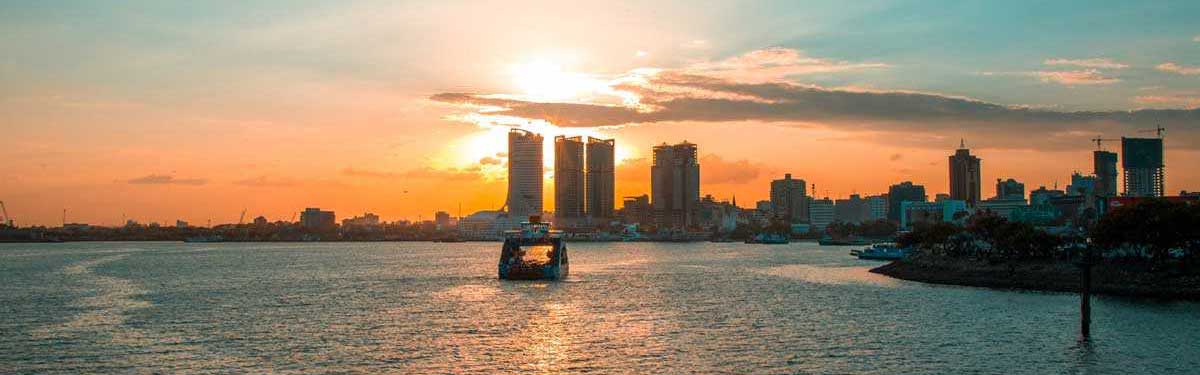
For decades, the country’s tourism narrative has been tied overwhelmingly to wildlife parks and the Indian Ocean coastline. Yet its urban centres – Dar es Salaam, Arusha, Mwanza, Dodoma, Tanga, Bagamoyo and Zanzibar – remain one of the most underdeveloped economic assets in the national portfolio.
A new World Bank analysis on the Middle East and North Africa (MENA) provides lessons that Tanzania can quickly adapt. Cities in that region are transforming into economic powerhouses by leveraging tourism as a catalyst for infrastructure development, SME growth, and cultural revival.
Tanzania, now advancing its Dira 2050 blueprint, has similar potential to harness city tourism as a driver of inclusive and sustainable urban growth.
Tourism already contributes nearly 18 percent of Tanzania’s GDP, but most of this arises from rural and coastal destinations. With rising urbanisation and major improvements in infrastructure, Tanzania’s cities are poised to capture a far larger share of this highly lucrative sector.
The economic case is strong. City tourism is labour-intensive and absorbs talent across all skill levels – from hotel staff and guides to digital marketers, architects, app developers, event planners, craftsmen and creative professionals. In a country where 70 percent of the population is under 35, city tourism could become one of the fastest and most inclusive job creators.
Small and medium-sized enterprises stand to gain substantially as tourist demand stimulates restaurants, cafés, boutique hotels, fashion and handicraft businesses, local transport operators, multimedia producers and tour companies.
Evidence from Southern Albania shows how public investment in heritage and urban renewal attracted entrepreneurs and doubled the number of tourism-linked businesses.
Similar transformations could unfold in Bagamoyo, Stone Town, Tanga or the Dar es Salaam waterfront if backed by strong policy direction and targeted financing.
Infrastructure investment is another crucial benefit. Urban tourism requires attractive public spaces, reliable transport, updated markets, restored heritage assets and quality visitor facilities.
These are the same amenities that improve daily life for residents, strengthen city branding and raise property values. Indonesia’s tourism expansion strategy led to more than a million jobs and mobilised hundreds of millions of dollars in private investment – results that offer a template for Tanzania as it develops new city destinations alongside national flagship projects such as the SGR, upgraded airports and expanded ports.
Investors have strong reasons to pay attention. Regional demand is rising as East Africa’s middle class grows and cross-border travel increases. Dar es Salaam’s expanding conference and events market, Arusha’s position as a global diplomatic centre, Mwanza’s lakeside appeal and Zanzibar’s cultural magnetism give Tanzania built-in advantages.
These align closely with Dira 2050’s goals for urban regeneration, diversified revenue, creative industry development and enhanced global competitiveness.
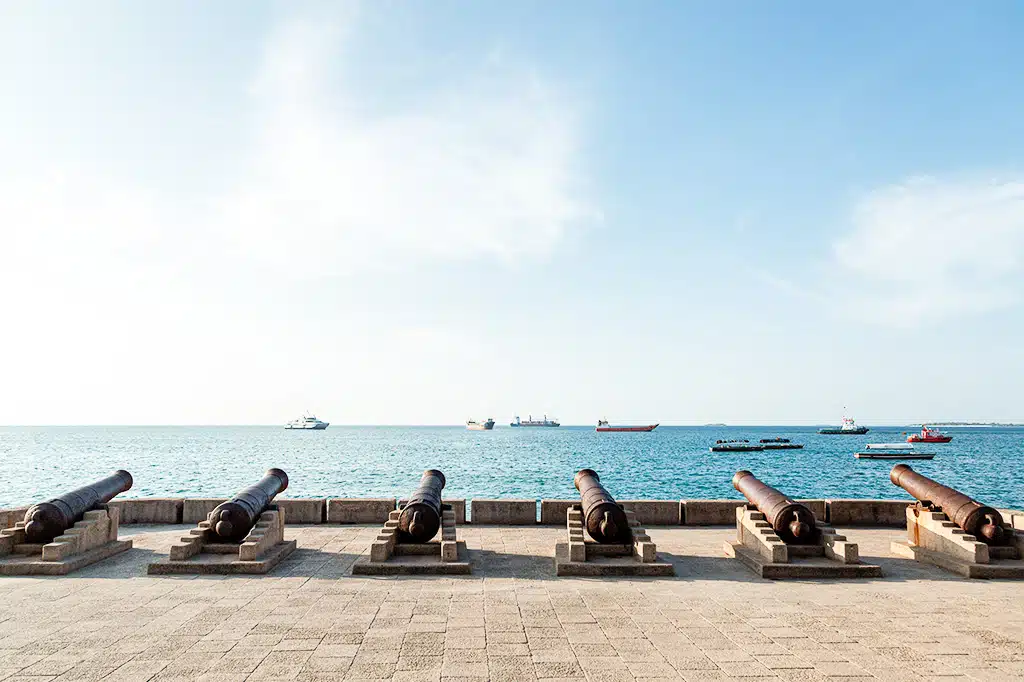
Heritage-rich cities like Bagamoyo, Kilwa and Zanzibar hold some of the continent’s most valuable cultural assets, yet many remain underdeveloped. With strategic restoration and smart partnerships, these historical centres could be transformed into premium cultural destinations, much like Marrakesh, Byblos or Muscat.

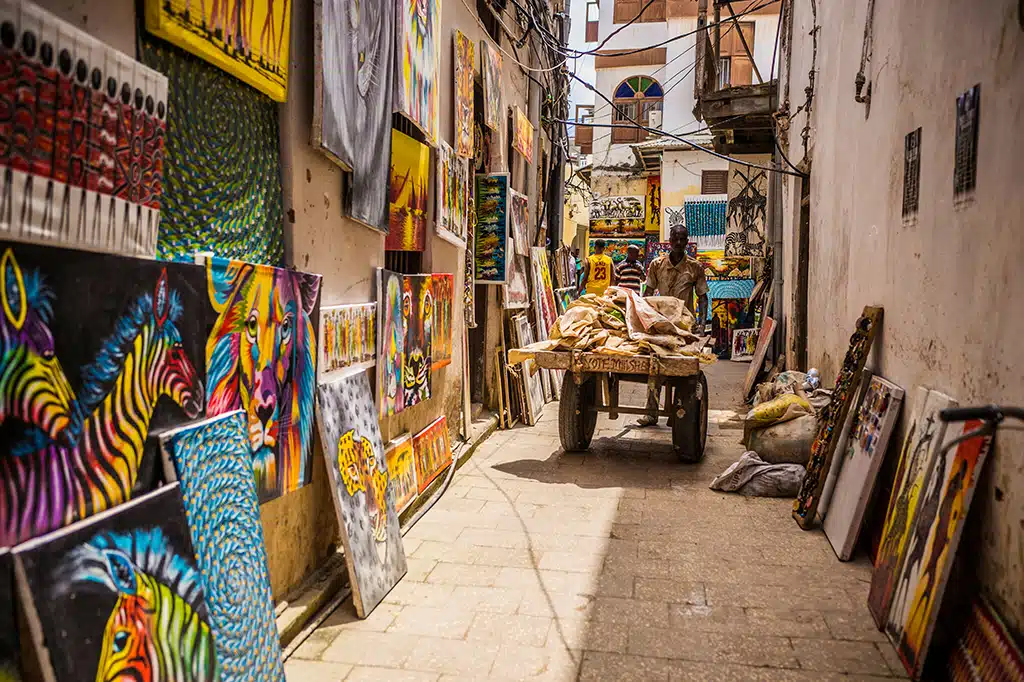
Tanzania’s growing creative industries – from visual arts to food culture and music – also offer strong potential to build a new urban tourism economy centred on festivals, exhibitions, performances and events that attract both regional and international travellers.
To unlock this potential, Tanzania will need coordinated policy, financing and marketing. City-specific tourism masterplans will be essential to guide development. Government and financial institutions must expand access to affordable capital for youth and women-led tourism enterprises, which are often the most dynamic yet financially constrained.
Upgraded public spaces, walkable city centres, reliable urban transport and modern markets will enhance the visitor experience. Stronger branding and digital promotion can reposition Tanzania’s cities as vibrant, modern, culture-rich destinations.
With Dira 2050 as a guiding framework, Tanzania has an opportunity to build cities that attract investment, create jobs, preserve cultural identity and foster long-term economic resilience. Global competition for tourism investment is intensifying, and the question for Tanzania is whether it will seize the moment or allow others to move faster.
The evidence shows that city tourism is no longer a secondary sector – it is a powerful engine of economic transformation. For Tanzania, the potential is immense.
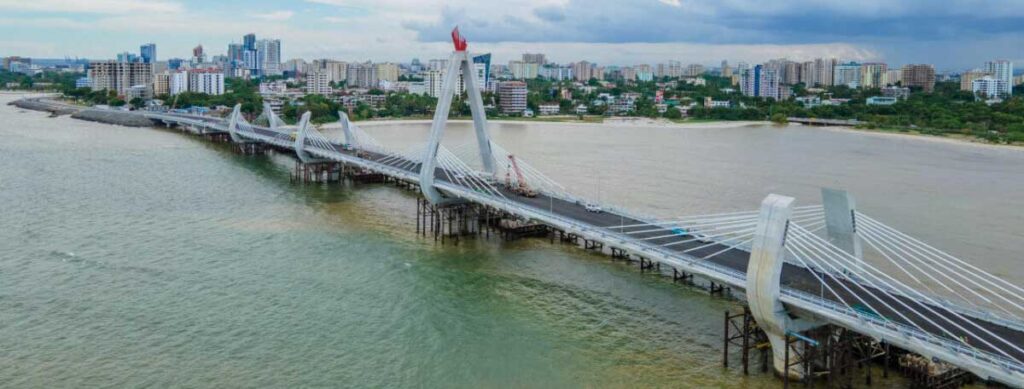
With strategic investments, supportive policies and strong public-private partnerships, the country’s cities could soon become thriving hubs where restored heritage districts, lively creative quarters, upgraded waterfronts and world-class cultural events generate new wealth for urban and rural communities alike. For policymakers, investors and entrepreneurs, this is the moment to recognise city tourism as one of the most promising growth frontiers in Tanzania’s economic future.


