


By Business Insider Reporter
For four days in early September, the usually quiet coastal town of Swakopmund, Namibia, was the epicentre of global financial-sector dialogue.
Nearly 800 delegates – including central bank governors, financial regulators, fintech innovators, development partners and civil-society leaders — convened for the 2025 Alliance for Financial Inclusion (AFI) Global Policy Forum (GPF), one of the world’s most influential gatherings on inclusive finance.
The forum, which commenced on September 2, spotlighted countries that are shaping the future of financial inclusion through policy innovation and digital transformation. Among this year’s standout performers was the Bank of Tanzania (BoT), which walked away with two prestigious AFI awards.
The honours recognised BoT’s outstanding contribution to advancing digital financial inclusion at home, as well as its growing role in supporting peer countries to strengthen their inclusive finance frameworks.
The recognition underscores Tanzania’s steady rise as a regional leader in leveraging technology, regulatory reform and cross-sector collaboration to expand access to affordable financial services.
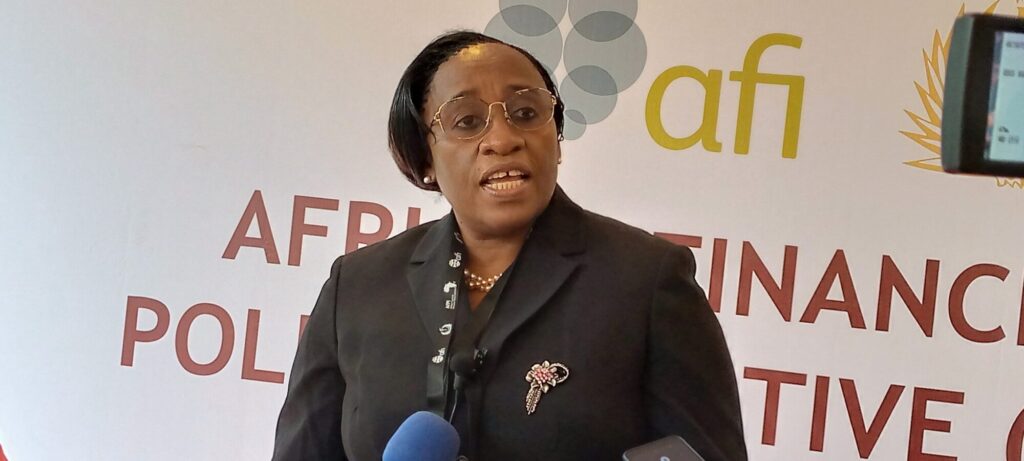
The first honour presented to the central bank was the prestigious Nestor Espenilla Jr. Financial Inclusion Innovation Award – a globally respected accolade that recognises regulators spearheading bold, technology-driven solutions to accelerate inclusive finance.
This distinguished award aims to recognize AFI member countries that have demonstrated outstanding efforts in innovation and the use of technology, as well as strong leadership in accelerating access to and usage of financial inclusion services.
The award was received by the Deputy Governor responsible for Financial Stability and Sector Supervision, Ms. Sauda Msemo, on behalf of the Governor Emmanuel Tutuba.
AFI’s recognition of BoT was anchored on several groundbreaking initiatives. The first was the successful rollout of the Tanzania Instant Payment System (TIPS), which has significantly improved interoperability and enabled real-time digital transactions across the country.
The second was the introduction of the 2024 Fintech Regulatory Sandbox, offering innovators a controlled space to test and refine new financial solutions before they reach the market. Another key factor was the development of SEMA na BoT, a citizen-centred platform that makes it easier for the public to lodge complaints and receive timely responses, thereby strengthening consumer protection.
Finally, the nationwide adoption of TANQR – a unified QR-code payment system – played a pivotal role. It has broadened merchant acceptance and expanded digital payment options, making everyday transactions simpler and more efficient for millions of users.
BoT’s second accolade was won by the head of the Financial Inclusion Department, Ms. Nangi Massawe, who was recognized through the AFI Technical Leadership Awards.
The central bank noted that the awards honour experts from AFI member countries who make notable technical contributions, share knowledge, and support other nations in advancing financial inclusion through policies, strategies, and innovation
The two awards come at a time when Tanzania is accelerating efforts to deepen mobile money usage, expand digital payment infrastructure, promote consumer protection, and bring more women, youth, and rural households into the formal financial system.
“These achievements reflect the strong leadership of the Bank of Tanzania under Governor Emmanuel Tutuba in steering efforts to expand and stimulate the use of financial services through technology,” BoT notes in a recent report on its website.
“Such measures aim to enhance efficiency, reduce costs, and ensure that more citizens actively participate in the nation’s economic development while improving their livelihoods,” it adds.
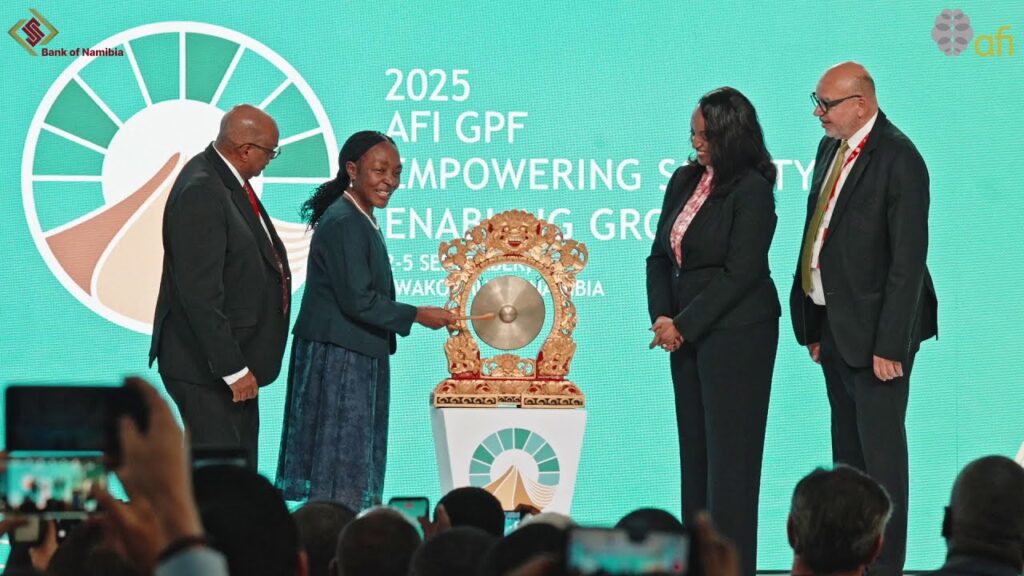
The 2025 AFI GPF carried a clear and timely message: the global agenda for financial inclusion is evolving. The focus is no longer solely on expanding access to financial services, but on ensuring that such access leads to real empowerment, economic resilience, and shared prosperity.
This shift was encapsulated in the forum’s theme – “Empowering Society, Enabling Growth” – which underscored a broader recognition that inclusive finance must translate into meaningful opportunities for individuals, businesses, and communities. “Financial inclusion is no longer measured only by the number of people entering the formal system; it is now about how effectively financial services improve livelihoods, expand economic participation, and protect vulnerable groups,” AFI noted.
Tanzania’s financial inclusion journey:
Progress, milestones, and the road ahead
Tanzania’s National Financial Inclusion Framework (NFIF) journey – beginning with the first framework in 2014–2016, continuing through NFIF II (2018–2022), and now advancing under NFIF III (2023–2028) – has delivered steady and measurable gains.
National access to formal financial services rose from around 86 percent in 2017 to 89 percent by 2023, while meaningful usage climbed from 65 percent to 76 percent during the same period.
This progress has been driven largely by the expansion of digital payments, including mobile money and interoperable platforms, as well as stronger public-private coordination under each NFIF.
Each framework had specific objectives:
NFIF I (2014–2016):
- Focused on laying the foundation for financial inclusion by increasing awareness, expanding access points, and establishing baseline measurements for access and usage.
NFIF II (2018–2022):
- Emphasized moving from access to meaningful use, expanding digital channels, scaling agent networks, strengthening consumer protection, and promoting financial literacy.
NFIF III (2023–2028):
- Targets full inclusion, particularly for underserved groups such as women, youth, smallholder farmers, and micro-enterprises; deepening digital financial services; and expanding credit access while ensuring services are affordable, safe, and trusted.
Despite the gains, challenges remain. Greater efforts are needed to deepen usage, bring services to remote and rural communities, expand credit footprints, and ensure equitable, secure, and user-friendly digital financial services for all Tanzanians.


