

By Business Insider Reporter and Agencies
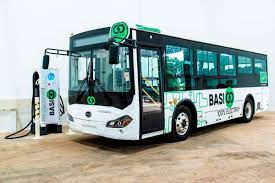
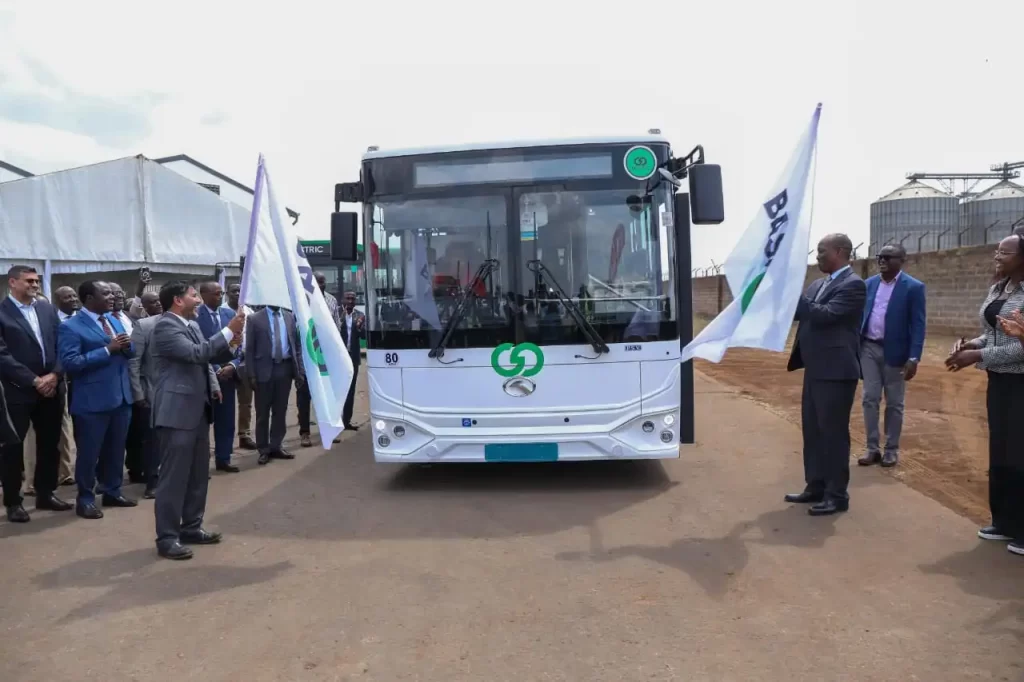
East Africa’s transition toward cleaner, more efficient public transport reached a major milestone this week as Nairobi-based e-mobility start-up BasiGo announced the deployment of 100 electric buses across Kenya and Rwanda – an achievement backed by a new investment from French development financier Proparco.
The move positions East Africa as one of the continent’s fastest-growing hubs for electric mass transit and signals a decisive shift in how African cities will tackle pollution, congestion, and transport inefficiency in the coming decade.
A strategic bet on low-carbon mobility
Proparco’s latest investment is part of the AFD Group’s €1 billion annual commitment to low-carbon transport globally. For the Group – which has backed electric bus transitions in cities like Dakar and Bogotá – BasiGo’s model represents a scalable, commercially viable pathway for African cities grappling with rapid urbanisation.
“By supporting BasiGo, we are helping to unlock a new generation of clean, reliable mass public transport solutions,” said Jean Guyonnet-Dupérat, Proparco’s Regional Director for East Africa. “Electric buses cut emissions, improve air quality, and support quality jobs – fully consistent with the Choose Africa initiative and our Paris Agreement commitments.”
Building Africa’s first scalable E-Bus ecosystem
Founded in 2021, BasiGo has emerged as a pioneer in Africa’s e-bus sector by integrating the entire value chain – local bus assembly, charging infrastructure, fleet financing, and operator partnerships. This ecosystem approach has allowed the company to overcome a major barrier in African transport: the high upfront cost of electric buses.
Through its Pay-As-You-Drive financing model, operators pay a daily mileage-based fee that covers battery leasing, charging, and maintenance, making electric buses competitive with diesel alternatives.
Key impact outcomes underscore the model’s traction: 100 electric buses deployed across Kenya and Rwanda; 3,000+ tCO₂e avoided to date; 40 percent annual savings for 29 bus operators; 1.4 million clean kilometres driven and 9+ million passengers transported
With African cities facing worsening air pollution and fuel price volatility, these numbers demonstrate not just environmental benefits but tangible operational savings for transport companies.
Economic and industrial significance
BasiGo’s expansion is also catalysing a new manufacturing value chain in East Africa. The company is locally assembling its buses, supporting high-skilled jobs in engineering, mechanics, software, and clean-energy infrastructure.
This aligns with Kenya’s and Rwanda’s industrial ambitions: both governments are pushing to develop local electric vehicle (EV) industries, reduce fuel imports, and modernise public transport systems.
Proparco’s investment is therefore not only climate-positive but also economy-shaping—positioning East Africa as a potential continental leader in e-mobility manufacturing.
A market poised for rapid expansion
Africa’s urban population is projected to double by 2050, putting enormous pressure on mass transit systems already operating beyond capacity. Electric buses present a compelling alternative: they are cheaper to run, cleaner, and aligned with global decarbonisation trends.
BasiGo’s CEO and co-founder Jit Bhattacharya says Proparco’s endorsement marks a critical inflection point.
“Since 2021, we’ve proven that electric buses deliver stronger economics for operators while avoiding CO₂ emissions,” he explained. “This investment validates our model and accelerates our Road to 1,000 electric buses.”
The push toward 1,000 e-buses would make BasiGo one of the largest e-bus providers on the continent – transforming Nairobi and Kigali into showcases for what African green mobility can look like.
A signal to investors
For investors, the deal highlights growing confidence in Africa’s cleantech market. Venture capital in African e-mobility has surged in the past three years, with interest from climate funds, development finance institutions, and corporate investors seeking exposure to the continent’s expanding transport demand.
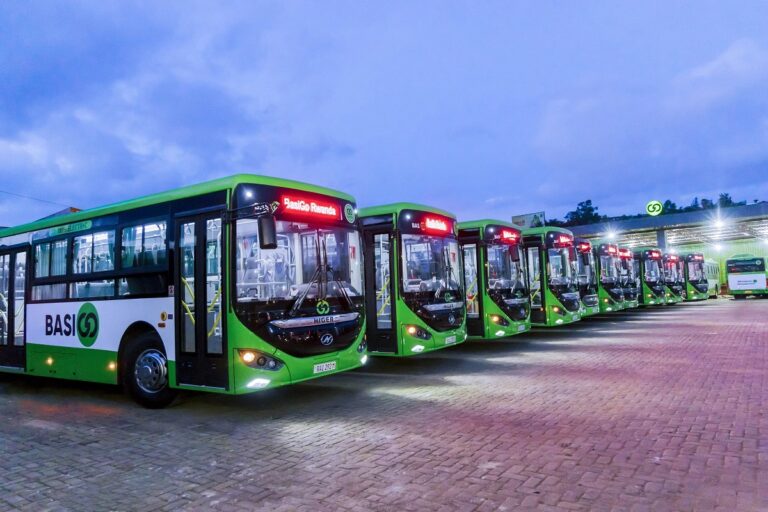
BasiGo’s traction shows that African cities can adopt electric mass transit faster than many expected – provided that financing, infrastructure, and local assembly are integrated into a single scalable model.
A roadmap for the future
With 100 electric buses already on the road, East Africa has demonstrated that a clean public transport revolution is not a future aspiration but a present reality. Proparco’s backing strengthens BasiGo’s ability to scale, localise production, and bring the economic and environmental benefits of e-mobility to more African cities.
As the continent confronts climate vulnerability and rapid urban growth, BasiGo’s progress offers a blueprint: African-led innovation, international climate finance, and a clear economic case for electric public transport. It is a moment that could reshape urban mobility across sub-Saharan Africa – and one that signals the beginning of a cleaner, more sustainable transport era.


