

By Business Insider Reporter
A new Food and Agriculture Organisation of the United Nations (FAO)–led programme backed by the Global Environment Facility (GEF) is poised to deliver tangible gains for Tanzania’s agriculture sector, as the country joins a group of seven nations benefiting from nearly US$60 million in climate and biodiversity financing aimed at building resilient and sustainable food systems.
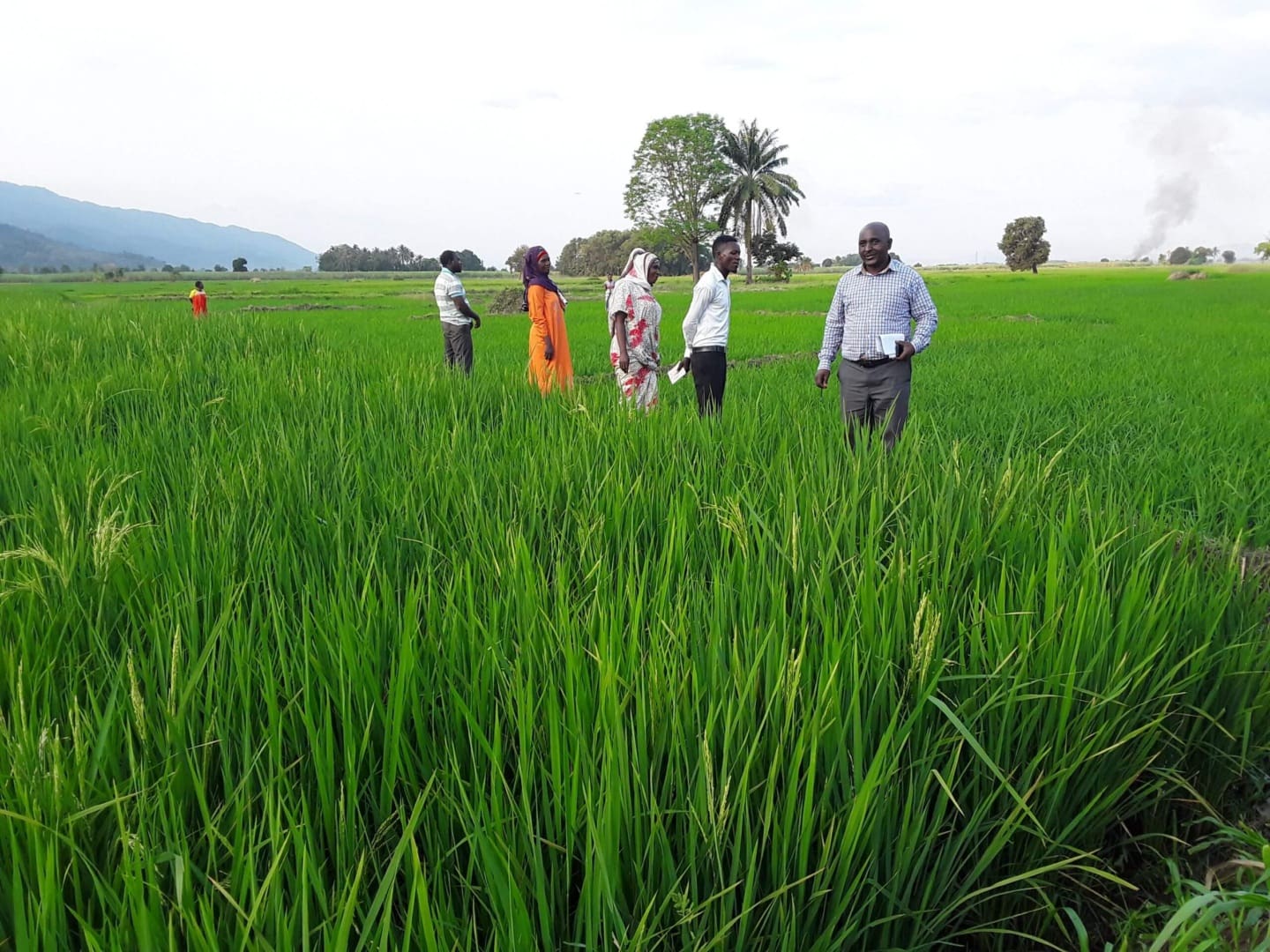
Under the latest package approved by the GEF Council in mid-December, Tanzania will receive a US$2.4 million investment to scale up integrated food systems interventions, with a specific focus on rice, aquaculture and livestock value chains in Zanzibar’s Western Belt landscapes. While modest in size compared with some regional programmes, the project is strategically significant for Tanzania, where agriculture employs about two-thirds of the population and remains highly vulnerable to climate shocks.
The programme comes at a time when Tanzanian farmers and pastoralists are grappling with increasingly erratic rainfall, prolonged dry spells, floods and land degradation – pressures that have already begun to undermine productivity, food security and rural incomes.
By strengthening climate resilience across multiple sub-sectors, the FAO-led intervention is expected to help stabilise production while laying the foundation for more sustainable growth.
In practical terms, the project will promote climate-smart rice production, improved aquaculture practices and more sustainable livestock systems, linking farmers to better land and water management approaches. In Zanzibar, where population pressure and fragile ecosystems intensify the impacts of climate change, these interventions are expected to improve yields while reducing environmental degradation in coastal and lowland areas.
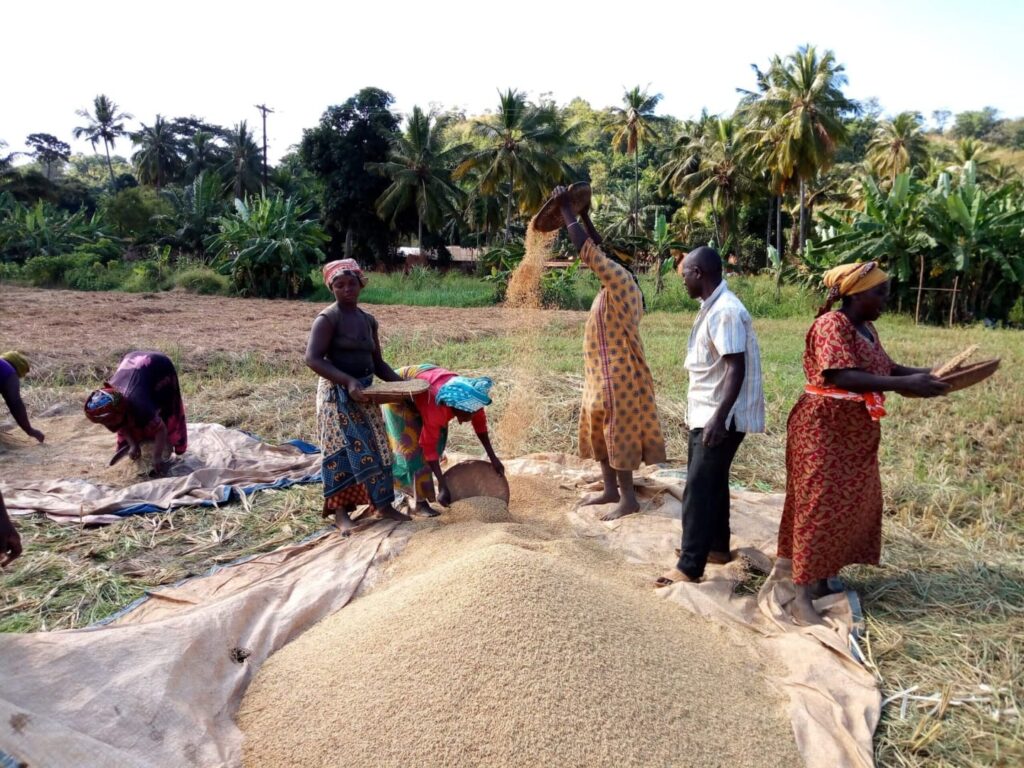
The Tanzanian project forms part of a broader FAO-GEF programme that will benefit more than one million people across four continents. Collectively, the eight approved projects are expected to restore more than 314,000 hectares of degraded landscapes, improve management of 1.2 million hectares of productive land and mitigate 84.5 million tonnes of greenhouse gas emissions. For Tanzania, these outcomes translate into improved soil health, more reliable water resources and farming systems better able to withstand climate extremes.
Beyond on-farm productivity, the programme is also designed to strengthen livelihoods.
Agriculture remains the backbone of Zanzibar’s rural economy, particularly rice farming, fishing and small-scale livestock keeping. By improving resilience along these value chains, the project is expected to enhance household incomes, reduce vulnerability to climate-induced losses and contribute to better nutrition outcomes.
The initiative also aligns closely with Tanzania’s broader agricultural and environmental policy goals. The government has prioritised climate-smart agriculture, sustainable land management and food systems transformation under national strategies, including the Agricultural Sector Development Programme (ASDP II) and commitments under international climate and biodiversity frameworks.
FAO’s long-standing partnership with Tanzania provides an institutional platform to integrate the new project into existing extension services and policy frameworks, increasing the likelihood of lasting impact.
At a continental level, FAO’s collaboration with the GEF has reached a major milestone, with cumulative support to agrifood system transformation now exceeding US$2 billion in grants and leveraging more than US$14 billion in co-financing since 2006. Tanzania has been among the beneficiaries of this partnership, accessing environmental financing to address land degradation, biodiversity loss and climate risks through agriculture.
FAO Director-General Qu Dongyu has described the expanding portfolio as increasingly “integrated and impactful”, noting that it supports the organisation’s vision of better production, better nutrition, a better environment and a better life. For Tanzania, this integrated approach is particularly relevant, given the interdependence between agriculture, natural resources and rural livelihoods.
The impact of the new programme is also expected to extend beyond Zanzibar. Lessons from integrated landscape management, climate-resilient rice systems and sustainable aquaculture could be scaled up to mainland Tanzania, where similar challenges affect major agricultural zones. Such replication would support national efforts to modernise agriculture while safeguarding ecosystems.
Importantly, the FAO-led project complements other recent climate investments in Tanzania, including initiatives focused on water catchment protection, flood control and drought resilience. Together, these programmes point to a growing emphasis on preventive, systems-based solutions rather than emergency responses to climate disasters. As climate change continues to test the resilience of Tanzania’s agriculture sector, targeted interventions such as the FAO-GEF programme offer a pathway to protect livelihoods while boosting productivity in a sustainable way. For farmers, fishers and livestock keepers – particularly in vulnerable areas like Zanzibar’s Western Belt – the project represents not just environmental financing, but a chance to secure their future in an increasingly uncertain climate.


