
By Business Insider Reporter
Tanzania’s aviation sector is entering a new phase of growth as Africa outpaces all regions in global air travel recovery, according to the latest October data from the International Air Transport Association (IATA).
Global passenger demand rose 6.6 percent year-on-year, while African carriers recorded a stronger 7.3 percent growth – cementing the continent’s position as the world’s fastest-growing air travel market for the month. Capacity on African routes expanded by 5.3%, pushing the load factor up to 74.1 percent.
For Tanzania, these trends come at a moment of major airport upgrades, increasing international connections and a rising appetite for domestic travel. As Africa accelerates, the country is well-positioned to capture a greater share of regional and long-haul traffic.
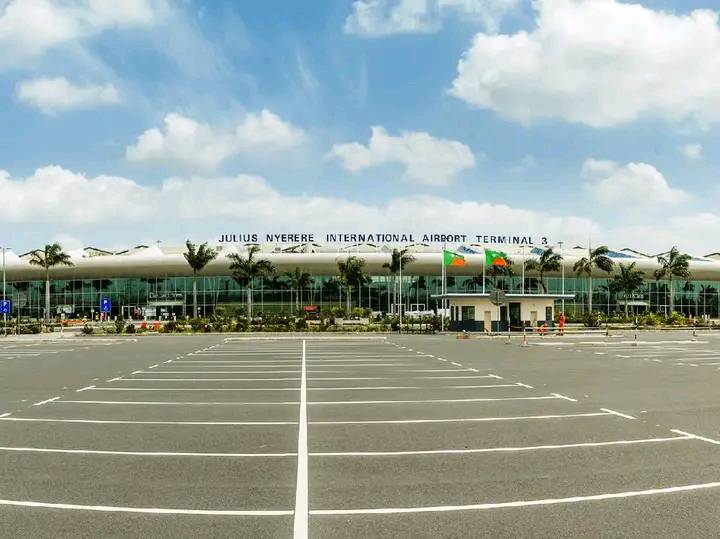
Tanzania’s aviation upswing mirrors the continent’s momentum. Julius Nyerere International Airport (JNIA) continues to record traffic increases driven by the tourism rebound, new routes and the entry of foreign carriers such as Air France, Emirates, FlyDubai and EgyptAir.
Domestically, airlines including Precision Air and Air Tanzania are adding frequencies as business travel strengthens.
The rollout of the Standard Gauge Railway (SGR), expected to reshape transport patterns, has not weakened demand for air services, particularly on longer routes such as Dar–Kilimanjaro, Dar–Mwanza and Dar–Mbeya.
Comparisons with global regions highlight Tanzania’s competitive position. Asia-Pacific posted the highest worldwide jump at 10.9 percent, boosted by strong China–Japan–Vietnam corridors.
Tanzania benefits indirectly through rising tourist flows from China and an expansion of charter flights to Zanzibar. Europe grew 7.4 percent, slightly above Tanzania’s estimated 6–7 percent international passenger growth, with the UK, Germany, Italy and the Netherlands remaining strong contributors to Tanzania’s safari and beach tourism sectors.
The Middle East recorded 10.7 percent growth, deepening competition for regional hubs, yet Tanzania continues to benefit from increased operations by Qatar Airways, Emirates and FlyDubai, which use Dar and Zanzibar as high-yield leisure gateways.
North America saw more modest growth at 4.5 percent and remains underpenetrated for Tanzania; however, strengthening tourist numbers could eventually support a case for direct U.S.–Tanzania flights.
Africa’s strong performance – surpassing Europe, North America and Latin America – suggests a structural shift as the continent becomes a more attractive aviation market. Tanzania, already one of Africa’s premier tourist destinations, stands to gain significantly.
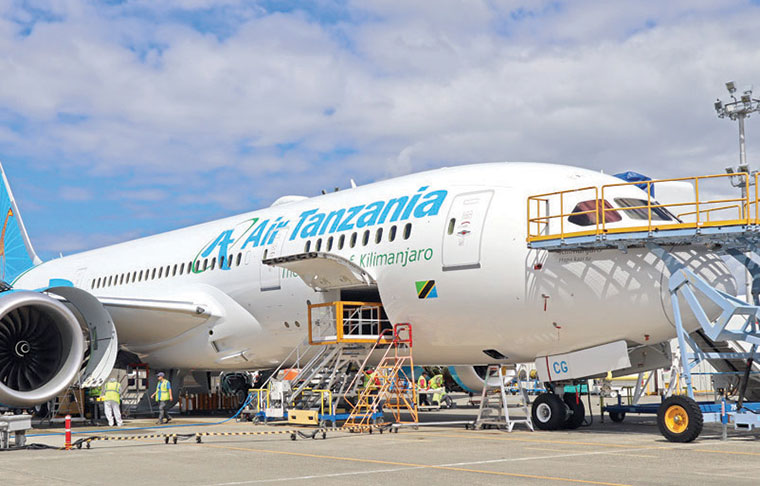
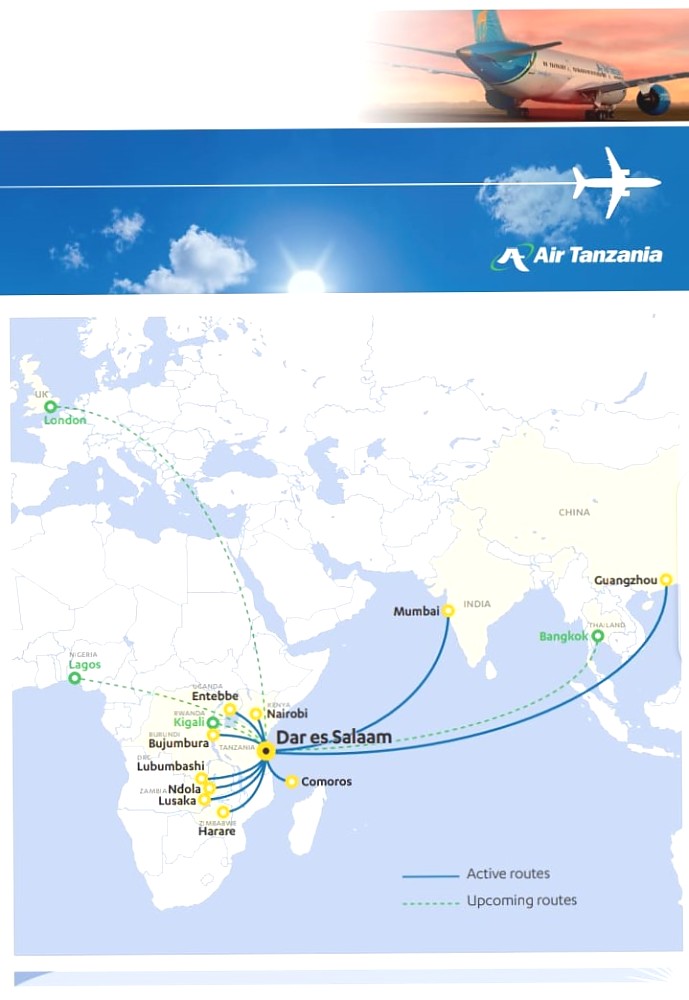
The aviation rebound reflects a broader tourism recovery. In 2023 and 2024, Tanzania recorded historic highs in tourist arrivals, driven by Zanzibar’s rapid rise, aggressive global marketing and ongoing investments in airports such as Kilimanjaro, Dodoma and Mwanza. With tourism contributing over 17 percent of GDP, improved connectivity is central to Tanzania’s development strategy. The government’s push to expand Air Tanzania’s international network – with routes to Guangzhou, Mumbai, Dubai and potentially London – illustrates a growing ambition to transform Tanzania into an aviation hub.
Regional competition remains intense, with Kenya, Ethiopia, Rwanda and South Africa still dominant players. Tanzania, however, is rising due to substantial infrastructure investment, political stability, strong leisure travel demand and the potential integration of airports with the future SGR network, which could channel more passengers into air routes. Industry analysts say Dar es Salaam and Zanzibar could become top-tier East African hubs by 2030 if the country completes its ongoing airport improvements.
IATA expects strong year-end travel demand, with scheduled capacity rising in November and December – a sign of resilient consumer confidence and corporate travel activity. For Tanzania this means higher tourist arrivals during the December–March peak season, increased frequencies from Gulf and European carriers, growing pressure on domestic airlines to expand fleets and improve service quality, and greater demand for airport retail, hospitality and cargo services.
To fully leverage Africa’s strong aviation trajectory, Tanzania will need to accelerate modernisation at its major airports, lower operational costs to attract more international carriers, support domestic airlines with financing and maintenance capabilities, expand bilateral air service agreements with strategic partners, and develop specialised cargo aviation for horticulture, fish and other exports. Africa’s 7.3 percent air travel rise in October is a sign of a continent gaining altitude – and Tanzania is part of that ascent. With strategic investment and competitive policy reforms, the country could transform growing connectivity into a long-term engine for tourism, trade and broad-based economic growth.