


By Business Insider Reporter
Africa’s digital economy is on a strong upward trajectory.
The International Finance Corporation (IFC), the private-sector arm of the World Bank Group, projects it will surpass US$180 billion this year – equivalent to about 5.2 percent of the continent’s GDP.
IFC estimates, along with forecasts from GSMA and Google, place the value at about US$712 billion by 2050 – a scale with the power to transform jobs, public services and trade across Africa, provided investments in connectivity, regulation and digital skills keep pace.
A 2025 report by GSMA – The Mobile Economy Africa 2025 – underscores continued growth in mobile connectivity and mobile-driven economic impact across Africa, including advances in 4G/5G, broadband, and mobile-based services.
With a blend of ambitious government initiatives and a rapidly expanding private sector, Tanzania is positioning itself – and is already at an advanced stage – to be among the countries capable of turning this continental forecast into a tangible national reality.
From policy to pipes: The public push
In July 2025, Tanzania formally adopted Dira 2050 – the country’s long-term development vision – as the master blueprint for national transformation. At its core, Dira 2050 prioritises the creation of a digitally empowered society that embraces innovation, boosts productivity and strengthens global competitiveness.
More concretely, the National Planning Commission (NPC) – the institution entrusted with steering the country’s new socio-economic blueprint – notes that Dira 2050 targets raising digital literacy to 70 percent of the population and ensuring that more than 80 percent of government services are delivered online.
These targets reflect a belief that digital infrastructure – internet, mobile connectivity, data-driven services – must be the backbone of future growth.
To achieve this vision, the government emphasises the importance of public–private partnerships (PPPs), supportive regulation and investment in ICT, energy, skills development and innovation.
NMB Bank’s role in digitising financial services
Under Dira 2050, the digital transformation of the economy – including payments, banking, commerce and public services – is a major pillar of structural transformation.
In this environment, banks and fintechs are not just peripheral players: they are central to enabling people to participate in a digital economy.
This is where NMB Bank’s recent moves become particularly relevant.
In recent years, the lender has positioned itself as one of Tanzania’s strongest champions of a ‘digital-first’ financial ecosystem.
According to Philbert Casmir, Head of Card Business at the bank, NMB continues to make substantial investments in digital finance innovations that are central to the country’s shift toward a cash-lite and eventually cashless economy.
Flagship solutions such as NMB Mkononi and the instant digital loan platform Mshiko Fasta are among the bank’s standout offerings – driving convenience, accelerating financial inclusion and reducing reliance on physical cash nationwide.
Mshiko Fasta digital micro-loans
“Through NMB Mkononi, we have transformed how Tanzanians access financial services. Our goal is to ensure that services are available to everyone, wherever they are, without the barrier of distance or time,” Mr. Casmir told Business Insider in an interview on the bank’s digital finance solutions.
According to him, most of their customers are now using the bank’s mobile app, and that 96 percent of the bank’s transactions are conducted through digital channels, with a 16 percent year-on-year rise.
He further explained that NMB Bank has rolled out credit services – such as its “MshikoFasta” collateral-free loans – which disburse in minutes and have already benefited thousands of micro-entrepreneurs and individual borrowers.
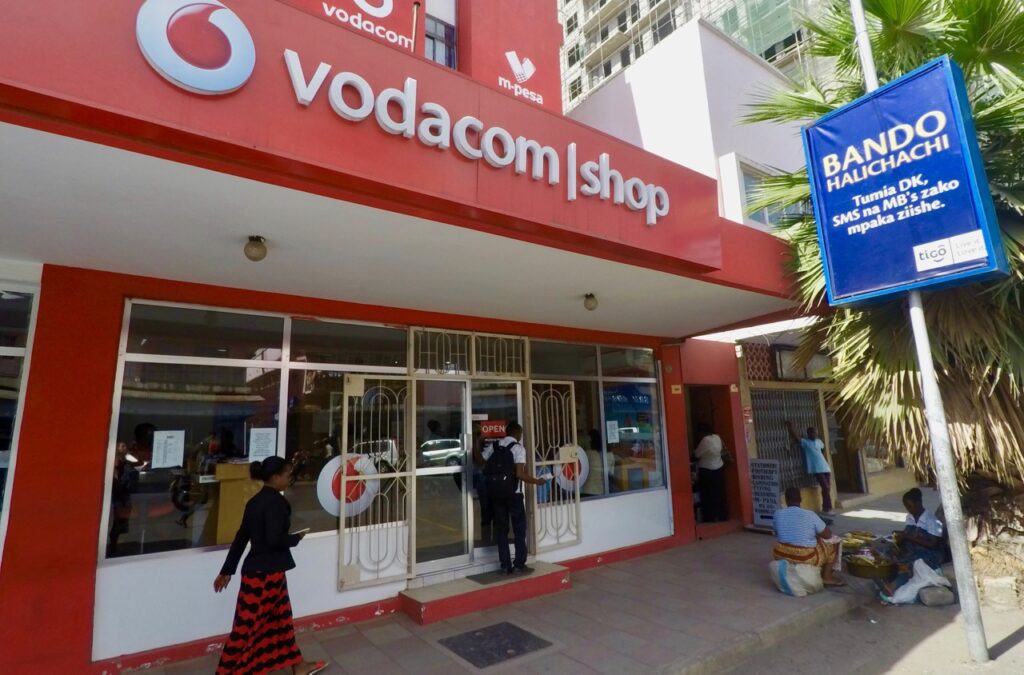
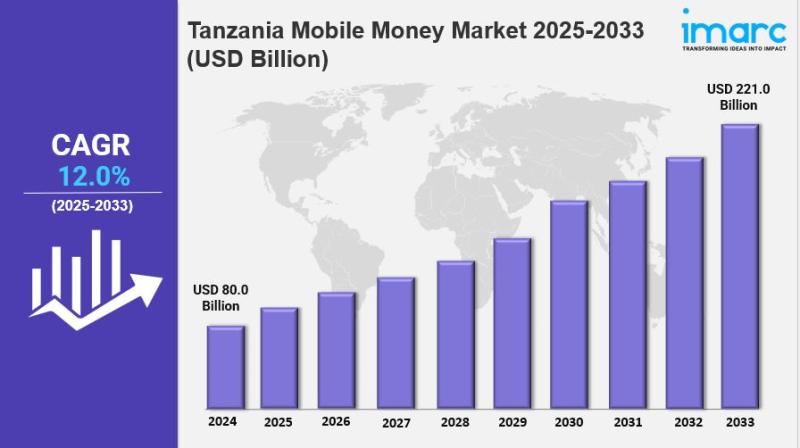
For many Tanzanians – especially those in remote or underbanked areas – NMB Mkononi and related digital services are lowering barriers to enter the formal financial system. This expands the reach of e-commerce, digital remittances, merchant payments, and other cashless transactions that underpin a modern digital economy.
Alignment with Dira 2050
Payments and banking are necessary but not sufficient. Under Dira 2050, Tanzania also needs to invest in internet penetration, digital skills, regulatory frameworks (for data protection and fairness), and infrastructure that supports online services and commerce.
The government has underscored that achieving its digital-society goals will require broad collaboration: “public institutions, private sector firms, civil society and citizens” all have a role to play”.
If these pieces – policy, payment rails, banking inclusion, internet connectivity and digital literacy – come together, Tanzania may not just participate in Africa’s rising digital economy, but benefit disproportionately from it.
A realistic horizon: Opportunity plus work
The US$712 billion figure for Africa’s digital economy is aspirational and conditional – it assumes policy stability, continued private investment, and sustained gains in connectivity and skills.
For Tanzania, the road ahead under Dira 2050 remains challenging. However, the progress already visible – interoperable payment systems, a national vision embedding digital priorities, a bank like NMB building inclusive digital banking services at scale – suggests the country is assembling many of the puzzle pieces. As Mr. Casmir properly put it and emphasized, the goal is “services available to everyone, wherever they are.” If that aspiration continues to guide both public policy and private innovation, Tanzania may indeed become a strong contributor to – and beneficiary of – Africa’s projected digital-economy boom.
Tanzania’s digital leap: Building a connected, cash-lite future
Tanzania is accelerating its shift to a digital economy under bold government-led initiatives. The rollout of the Digital Tanzania Programme and the 2024–2034 Tanzania Digital Economy Strategic Framework has laid the foundation for a nationwide digital transformation, anchored by expansion of the National ICT Broadband Backbone (NICTBB). Under this plan, the government aims to connect all wards with fibre by 2029, partly by expanding submarine and terrestrial cables and building new data‑centres.
As a result, by September 2025 the country recorded around 99.3 million active telecom subscriptions – up from 92.7 million mid-2025 – and active internet subscriptions surged to 56.3 million.
Internet coverage now reaches 94.2 percent of the population over 4G networks, with early 5G deployment at 28.9 percent. This connectivity expansion underpins the rapid growth of mobile-internet usage, fueling e-commerce, remote work, education, and digital finance.
The government is fostering a digitally enabled public-service ecosystem. Through Digital Tanzania, over 300 public institutions are now online, delivering e-government services in areas such as water, electricity, and civil registration. At the same time, initiatives to expand mobile money and digital-wallet services are improving financial inclusion across the country. Together, these efforts signal a comprehensive push toward a connected, inclusive, and digitally empowered society, advancing Tanzania’s national digital-economy vision.


