

By Business Insider Reporter
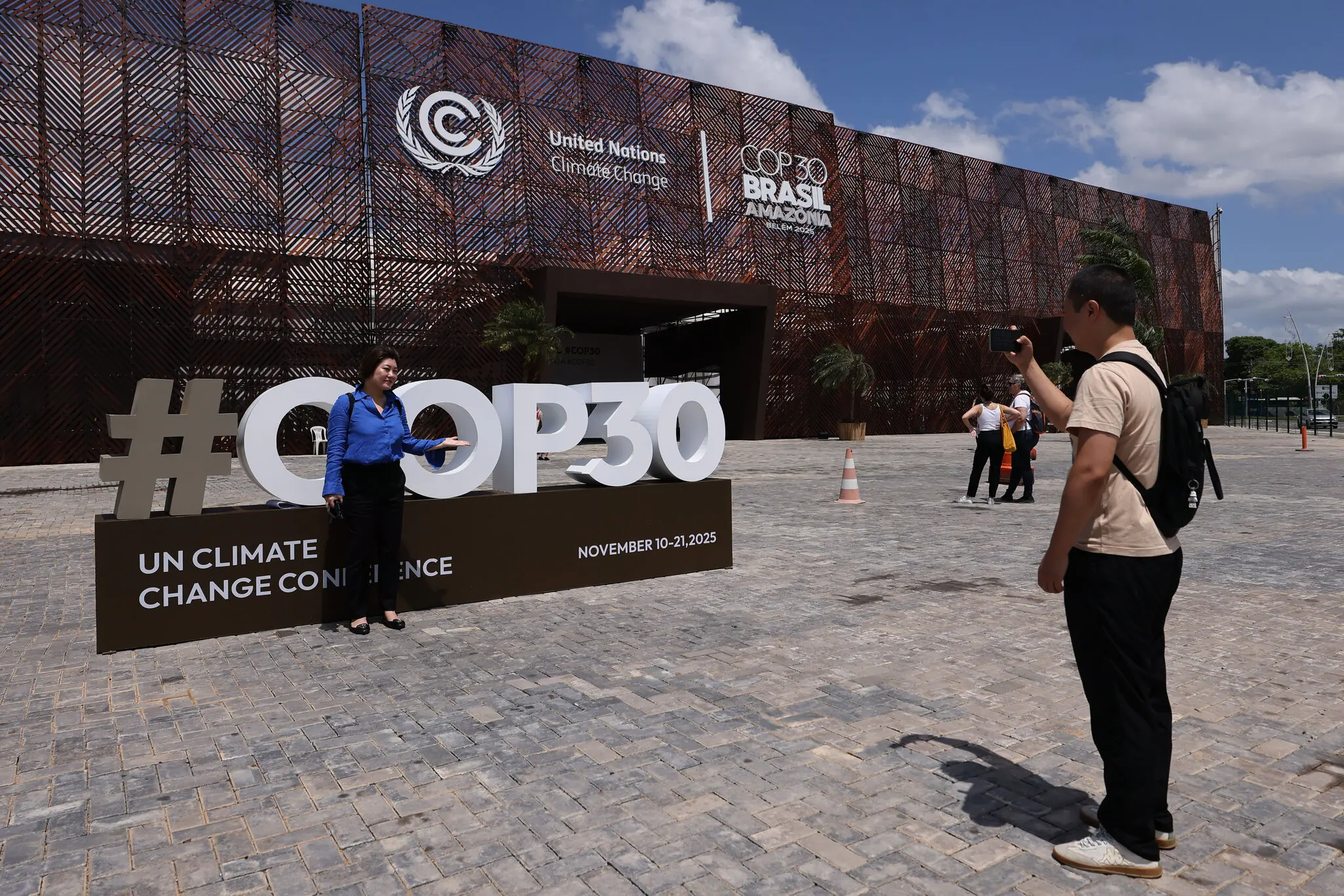
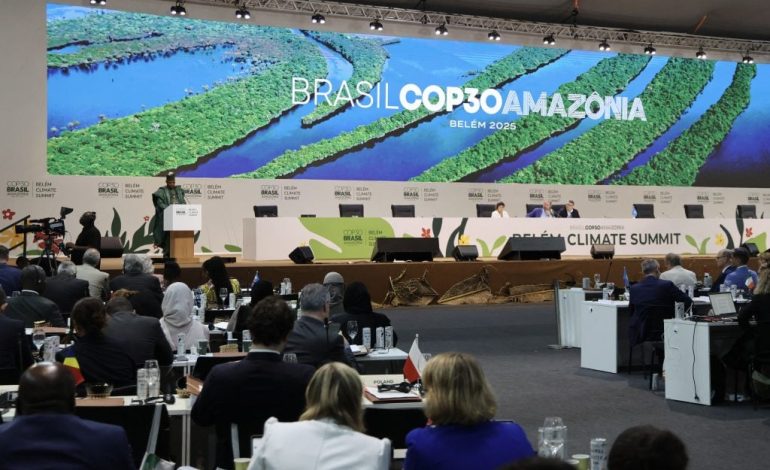
As global climate negotiators met in Belém, Brazil, for COP30, the world’s attention is once again turning to the promises, failures and future of international climate policy.
But here in East Africa – where droughts, floods, cyclones, and food insecurity increasingly define daily life – the conversation is shifting. The region’s leaders, researchers and civil society groups are asking a fundamental question: Can climate policy truly succeed if it is not anchored in development?
This year’s summit arrives under the long shadow of broken commitments. Fifteen years after wealthy nations pledged at least US$100 billion annually in climate finance for developing countries, the promise remains unfulfilled. Much of the funding has been rerouted from existing aid budgets or issued as loans, deepening debt in countries already struggling under the weight of fiscal pressures.
For many African nations, including Kenya, Tanzania, Uganda, Ethiopia and Rwanda, the results have been painfully clear. Funding that could have driven electrification, irrigation, resilient agriculture and low-carbon industrialisation has instead been diverted into fragmented mitigation projects that barely scratch the surface of the climate challenge.
At the same time, the global climate agenda itself appears to be losing momentum. Economic uncertainty, geopolitical tensions, populist politics and a weakened multilateral system have pushed climate cooperation further down the list of priorities for major economies.
Yet perhaps the most significant geopolitical shift lies in China’s ascendancy as a green-technology powerhouse.
With Beijing now dominating global manufacturing of electric vehicles, solar panels, wind turbines and batteries, Western governments have become reluctant to champion climate policies that might strengthen China’s industrial advantage. The result is a worrying loss of urgency and coherence in global climate action.
Why East Africa can’t afford a passive role
Against this backdrop, analysts argue that developing countries – especially in East Africa – must lead the push for a new climate paradigm: one that treats climate action not as an economic burden but as a pathway to shared prosperity.
As Dr. Ken Opalo observes, Western climate politics often frames climate action as anti-developmentalist. But East Africa cannot afford to adopt this logic. With electricity access rates still below 60 percent in many countries, rising youth unemployment, and economies heavily dependent on climate-sensitive sectors like agriculture, the region needs climate solutions that reduce emissions and expand economic opportunity.
This means rejecting the false choice between climate action and economic growth. China’s experience illustrates that the two can move together – rapidly scaling up renewable energy, boosting manufacturing capacity and creating millions of jobs.
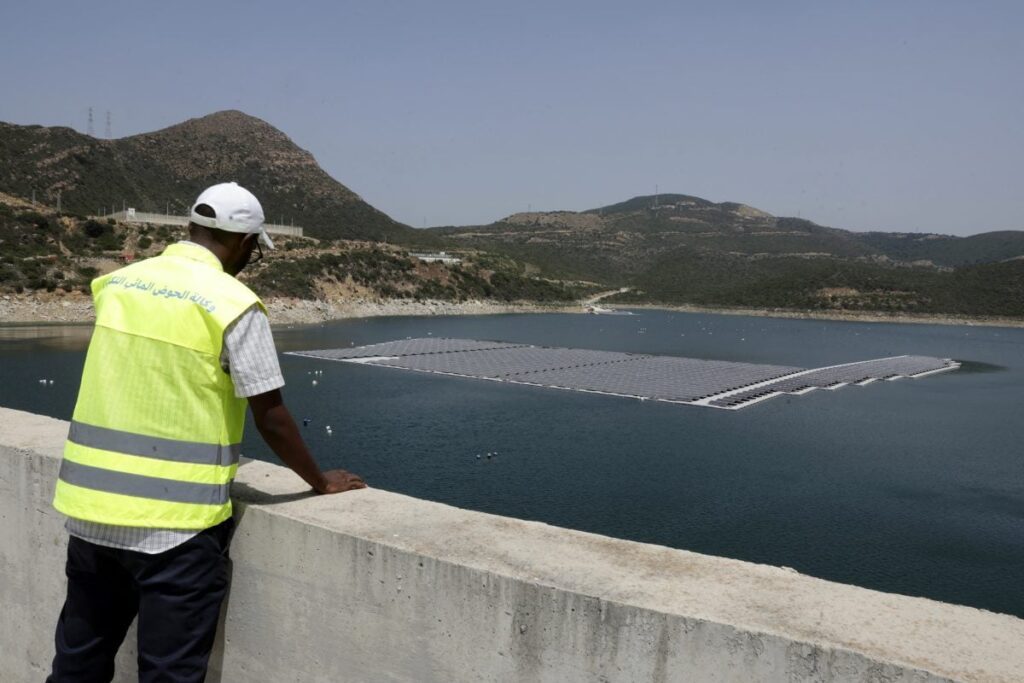
East Africa, with its abundant geothermal potential, world-class solar resources, wind corridors and critical minerals such as lithium, nickel and rare earth elements, is well-positioned to do the same. But only if climate policy is rooted in the region’s own development priorities.
Climate policy that builds, not restricts
For East Africa, COP30 should mark the beginning of a developmentalist climate agenda based on three pillars:
Ending energy poverty
Energy poverty remains one of the most significant drivers of poverty, inequality and vulnerability in the region. A climate agenda that does not rapidly expand access to reliable and affordable energy – especially clean energy – will fail the millions of East Africans still relying on firewood and charcoal.
Green industrialisation
Climate policy must support local value addition. Africa cannot continue exporting unprocessed critical minerals only to import solar panels, batteries and electric vehicles at a premium.
Green supply chains must create manufacturing jobs in East Africa—not just extraction.
Strong domestic constituencies
Climate policy must resonate with ordinary citizens. If it remains an elite conversation happening in conference halls and donor reports, it will not survive political transitions. Climate strategies must show clear benefits – lower energy costs, new jobs, resilient food systems – to build lasting public support.
Why COP30 is a turning point
Belém offers East Africa a rare diplomatic window. With wealthy countries distracted, divided or domestically constrained, Africa can fundamentally reshape the narrative.
Instead of waiting for climate finance that never arrives, the region can demand financing structures that do not deepen debt. Instead of accepting the role of resource exporter, it can negotiate industrial partnerships. Instead of reactive adaptation, it can champion large-scale renewable energy expansion tied directly to industrial growth.
A developmentalist climate agenda is not only realistic – it is necessary. East Africa is already living at the frontline of climate change. From the devastating droughts that hit the Horn of Africa, to the floods sweeping through central and western Kenya, to crop failures in northern Tanzania and famine alerts in Somalia, the region cannot afford climate policies that slow growth or entrench poverty.
Beyond Belém: A climate agenda that works for Africans
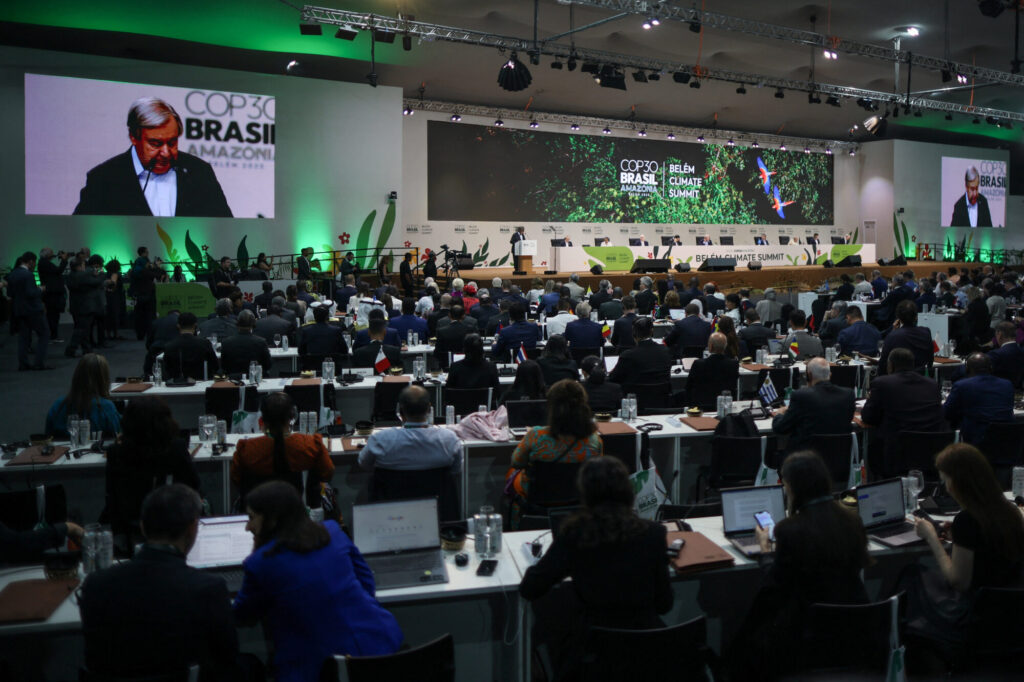
If COP30 is to matter for East Africa, it must deliver a shift in how global climate action is conceived. The region needs climate policy that opens factories, not just funds workshops. It needs megawatts of clean energy, not megabytes of climate jargon. It needs affordable finance, not austerity disguised as climate support.
Most importantly, East Africa needs climate action that improves the lives of ordinary people – a climate transition that is both green and inclusive.
As global leaders leave the Amazon, East Africa’s message should be clear: Climate action must be developmentalist, or it will fail. Poverty is not a climate strategy. Prosperity is.


